Senior Research Fellows

2020-2021
 Márcia Cury
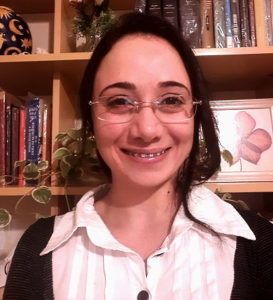
Márcia Cury is Brazilian, from the city of São Paulo. Historian, PhD in Political Science from Unicamp. Graduate and Master’s at History from Universidade Estadual Paulista (UNESP). Specialist in History of America in the following subjects: Chile, Social History, Political History and Social Movements. Author of the book El Protagonismo Popular Chileno: experiencias de clase y movimientos sociales en la construcción del socialismo (1964-1973). Editora LOM. Cury has taught courses in Law and History, Latin American History, Contemporary History, Research Methodology and Scientific Initiation. She served as editor of a scientific journal. She is currently engaged in postdoctoral research on the process of redemocratization in Chile, linked to the Postgraduate Program in the History of UEFS, Brazil.
 Danny Shaw
Danny Shaw teaches Latin American and Caribbean Studies and Race, Ethnicity, Class and Gender at the City University of New York. He holds a Masters in International Affairs from Columbia University’s School of International and Public Affairs. He is a retired Golden Gloves boxer, fighting twice in Madison Square Garden for the NYC heavyweight championship. For the past six years, he has worked with RT Intentional, TeleSUR and other networks as an international Affairs Analyst. He is the author of 365 Days of Resistance: Standing on the Shoulders of Giants, The Saints of Santo Domingo: Dominican Resistance in the Age of Neocolonialism and Paisajes de Amor y Combate, among other works. Shaw has also authored blogs and articles on Latin American history, boxing and nutrition and other topics.
 Alina Duarte
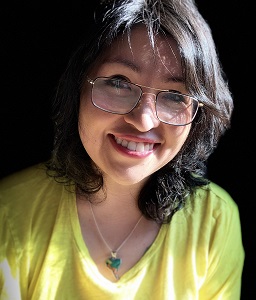
Alina Duarte is Mexican and studied International Relations at the Faculty of Political and Social Sciences of UNAM (Mexico). She is also a graduate of the School of Political Formation “Buen Vivir” organized by the Ministry of Human Mobility and Foreign Relations of Ecuador (2013). She has dedicated herself to journalism since 2012, collaborating in various media outlets in Mexico, Venezuela, Honduras, Argentina, and the United States. As a journalist, Duarte has covered several countries of Latin America including Chile, Ecuador, Venezuela, and Mexico. She was a correspondent for Telesur in Washington DC from 2017 to 2019 and she is currently a freelance journalist based in Mexico City and Washington DC
 Arturo López Levy
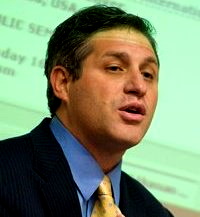
Arturo Lopez-Levy, PhD, is Assistant Professor of International Relations and Politics at Holy Names University. His research agenda focuses on asymmetry, small states and international relations. He is an expert on Latin America, Cuba, American politics and the U.S. role in world affairs. Lopez-Levy earned his PhD in International Studies at the Josef Korbel School of International Studies of the University of Denver (2016). He pursued masters’ studies in Economics and International Affairs in Carleton University (Ottawa) and Columbia University (NYC). He graduated from the Cuban Diplomatic Academy in Havana in 1992 and later worked as political analyst for the Cuban government until 1994 when he resigned. He is a co-author of the book Raul Castro and the New Cuba: A Close-up View of Change (McFarland 2012).
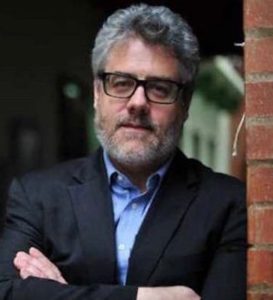 Daniel Kovalik
Daniel Kovalik teaches International Human Rights at the University of Pittsburgh School of Law. He also serves as Associate General Counsel of the United Steelworkers, AFL-CIO (USW). He has worked for the USW since graduating from Columbia Law School in 1993. While with the USW, he has served as lead counsel on cutting-edge labor law litigation, including the landmark NLRB cases of Lamons Gasket and Specialty Health Care. He has also worked on Alien Tort Claims Act cases against The Coca-Cola Company, Drummond and Occidental Petroleum – cases arising out of egregious human rights abuses in Colombia.
The Christian Science Monitor, referring to his work defending Colombian unionists under threat of assassination, recently described Mr. Kovalik as “one of the most prominent defenders of Colombian workers in the United States.” Mr. Kovalik received the David W. Mills Mentoring Fellowship from Stanford University School of Law and was the recipient of the Project Censored Award for his article exposing the unprecedented killing of trade unionists in Colombia. He has written extensively on the issue of international human rights and U.S. foreign policy for the Huffington Post and Counterpunch and has lectured throughout the world on these subjects.
Previous Senior Research Fellows
Aline Piva
 Aline Piva earned her bachelor’s degree in Social Sciences from the State University of Londrina in Brazil, where she earned a post-graduate degree in International Law. She also has a post-graduate degree in International Affairs from the University of Brasilia. She has worked in areas of media analysis and political campaigns for Entrelinhas, a Brazilian-based international communications agency. Piva’s areas of research interest include: U.S.-Cuba Relations in the 20th Century, U.S. Foreign Policy and Imperialism, Haitian elections in the 21st Century, Popular Movements in Latin America and the history of Democracy in Brazil. Piva also cooperates with the communications network of progressive social movements in Latin America and the Caribbean. She is a collaborator of Brazilian political blog Nocaute, a project led by Brazilian writer Fernando Morais.
Dr. Roland Benedikter
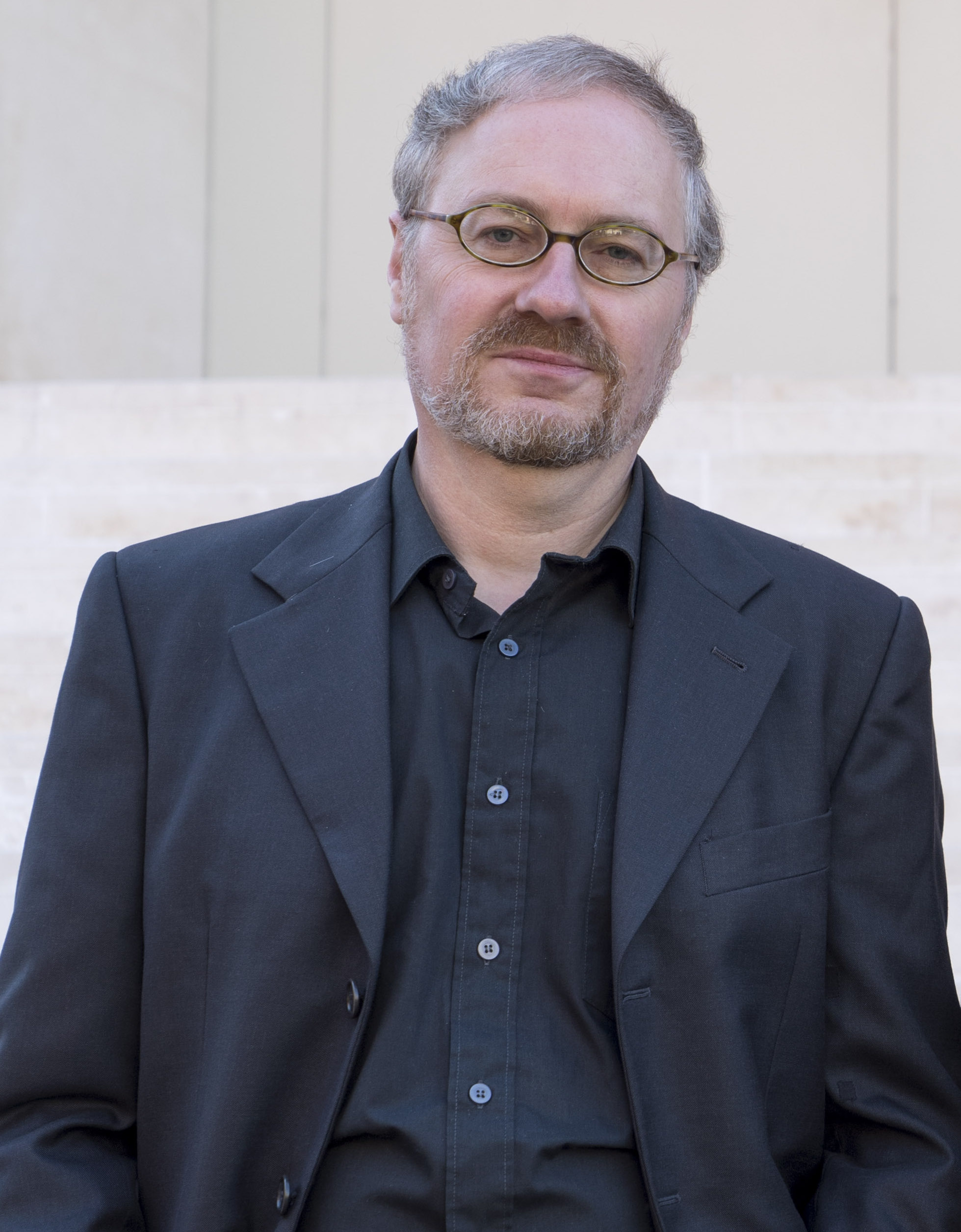 Dr. Roland Benedikter is a European Public Intellectual, Political Scientist and Sociologist serving as Research Professor in Residence of the Willy Brandt Centre for European Studies at the University of Wroclaw-Breslau, Poland. Additionally, he is Co-Director of the Center for Advanced Studies of Eurac Research Bozen-Bolzano, Autonomous Province of South Tyrol, Northern Italy. Dr. Benedikter holds two doctorates from the Free University of Berlin and one from the University of Innsbruck. He is also a Trustee of the Toynbee Prize Foundation in Boston, and a Full member of the Club of Rome. He has authored more than 300 publications which have been translated into 12 languages, writing for Foreign Affairs, Harvard International Review (where he is member of the Advisory Board), Global Policy, The National Interest, European Foreign Affairs Review, New Global Studies, and Challenge: The Magazine of Economic Affairs. He is a frequent commentator for the Italian national broadcast RAI – Radiotelevisione Italiana and co-author of two Pentagon and U.S. Joint Chiefs of Staff White Papers on the ethics of technology (February 2013 and April 2014) and of Ernst Ulrich von Weizsäcker’s Limits of Privation (Report to the Club of Rome, 2003).
Dr. Steven J. Hirsch
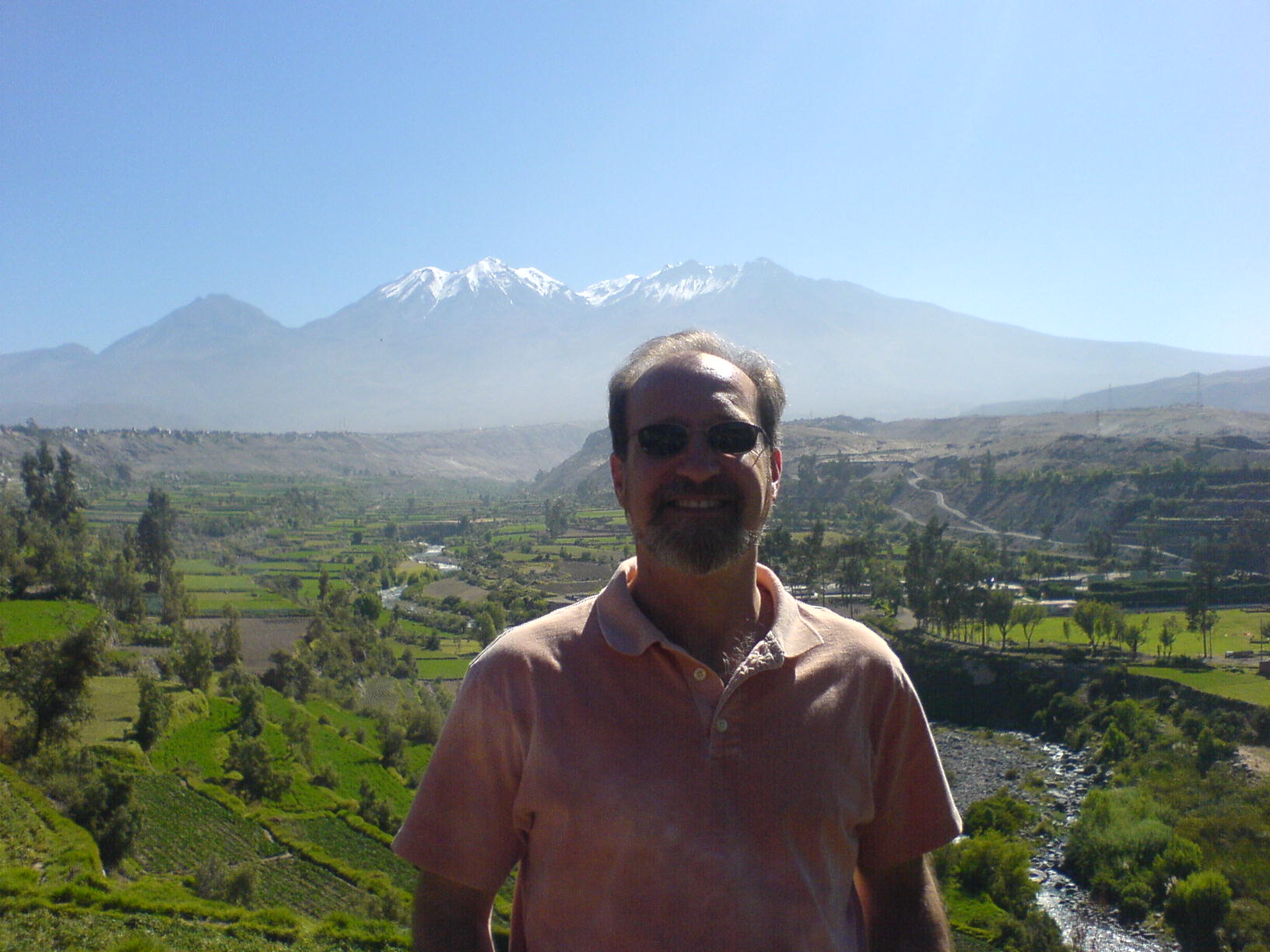 Dr. Steven J. Hirsch is a Professor of Practice in the International and Area Studies Department at Washington University in St. Louis. He received a M.A. in Latin American Studies at the University of Texas at Austin and a Ph.D. in Latin American History at George Washington University. Dr. Hirsch’s research focuses on Latin American populism and neopopulism, and, anarchism, labor, and politics in Peru and the Andean region. His recent publications include: Anarchism and Syndicalism in the Colonial and Post-Colonial World, 1870-1940, 2nd edition (2013); “Anarchism, the Subaltern, and Repertoires of Resistance in Northern Peru, 1898-1922,” in No Gods, No Masters, No Peripheries: Global Anarchisms (2015); and “Anarchist Visions of Race and Space in Northern Perú, 1898-1922,” in, In Defiance of Boundaries: Anarchism in Latin American History (2015). Dr. Hirsch’s forthcoming publications include: Study, Organize, Rebel: Anarchism and the Struggle for Working-Class Emancipation in Perú, 1898-1932,” and, Anarchists, Marxists, and Nationalists in the Colonial and Postcolonial World, 1870s-1940s: Antagonisms, Solidarities, and Syntheses, co-edited with Dr. Lucien van der Walt.
Dr. Charles G. Ripley III
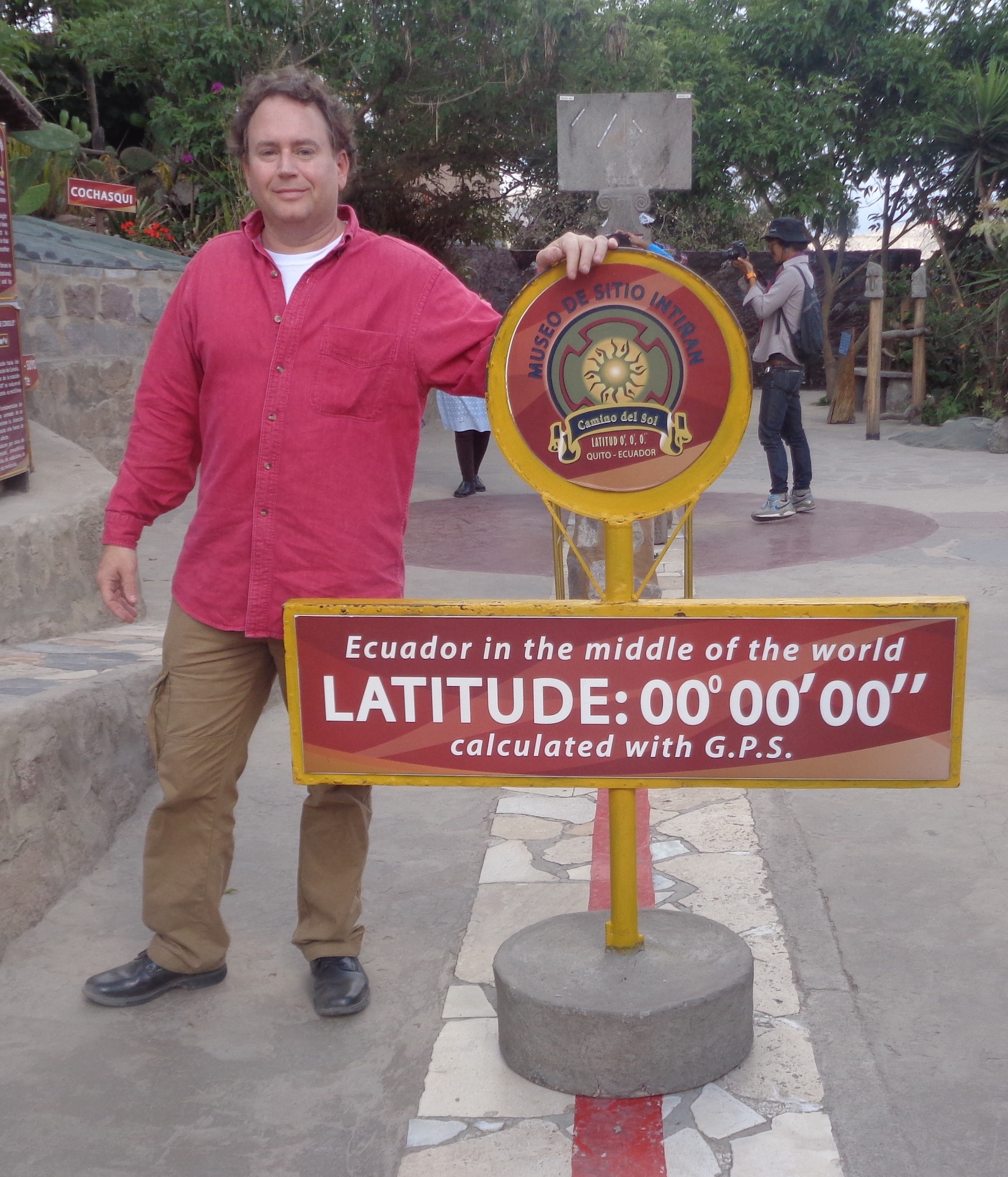 Charles G. Ripley III is a lecturer in the School of Politics and Global Studies at Arizona State University, where he received his Ph.D. in 2013. His major fields of study are international relations and comparative politics with an emphasis on U.S. foreign policy, international political economy, security studies, and Latin American politics. Before coming to Arizona, Charles taught for five years at the University of Central America in Managua, Nicaragua. He continues to do field work throughout Central and South America. Charles has published a broad range of peer-reviewed articles on important global themes such the impact of privatization in Nicaragua, the role of monetary unions in South America, the new effects of Asian investment in Latin America, and Colombia’s internal security. He recently finished an article “Discourse in Foreign Policy” for Oxford University Press (2017) and is working on a book called South America and Neo-Regionalization: Creating Space for Resistance, Peace, and Development. In addition to formal study, Charles has experience beyond academic scholarship. He has worked at the U.S. Embassy’s North American Cultural Center in Nicaragua, the United Nations, the Danish Embassy, and KPMG International. Moreover, Charles was nominated for the ASASU Centennial Professor Award (2013) and became the first recipient of the Michael Mitchell Outstanding Teacher Award in 2016. A year later, he won the 2017 CLAS Outstanding Lecturer Award. Charles also won the outstanding case study award at the University of Massachusetts in Boston where he earned a master’s in science in 2007. Currently, he serves as a Senior Research Fellow at the Council of Hemispheric Affairs (COHA) in Washington D.C.
Michael Lettieri
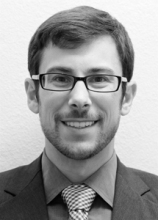 Michael Lettieri is currently a Program Officer at the Trans-Border Institute at the University of San Diego, where his work deals with issues of freedom of expression, violence against journalists, and transparency in Mexico and Central America. He received his Ph.D. in History at the University of California, San Diego in 2014 and a B.A. in History and Spanish from Bowdoin College in 2005. Prior to beginning his Ph.D., he worked as a Research Fellow at the Council on Hemispheric Affairs. He has lived in Chile and Mexico and maintains an active interest in contemporary Latin American politics. His academic research concentrates on questions of clientelism, cooptation, and corruption in 20th-Century Mexico, focusing on the informal control mechanisms of Mexico’s “soft authoritarian” regime. He has received support for this project from a Fulbright-Hays grant, as well as a number of U.C. San Diego research centers including the Center for Iberian and Latin American Studies, the Institute for International, Comparative and Area Studies, and the Center for U.S.-Mexican Studies.
Louise Højen
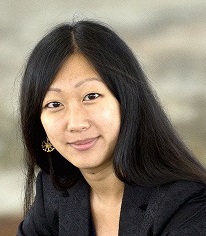 Louise Højen specializes in Development and International Relations focusing on Latin American affairs. She is currently finishing her Master of Social Science at Aalborg University in Northern Denmark and holds a BA in Spanish and International Studies from the same university. She is a dedicated philanthropist and supporter of Fundación Internacional Tierra Fértil (FUNTIFER), a small NGO working in the slums of Bogotá, Colombia to enhance the lives of numerous internally displaced persons. In 2013, she spent 2 months working voluntarily for AIESEC at a public school in Usme, a poor neighborhood in Bogotá, where she met FUNTIFER’s founder. She has since then worked closely with the NGO and raised thousands of dollars for them. Louise is also a former Research Associate at COHA and has published several articles during her time in Washington, D.C. As an emerging academic, she holds a broad field of interests related to Latin America. Furthermore, she is especially attentive to human rights violations, the repression of freedom of speech, and geopolitics. She is currently writing her MA thesis on the U.S. sanctions of December 2015 against Venezuelan officials.
Dr. Odeen Ishmael
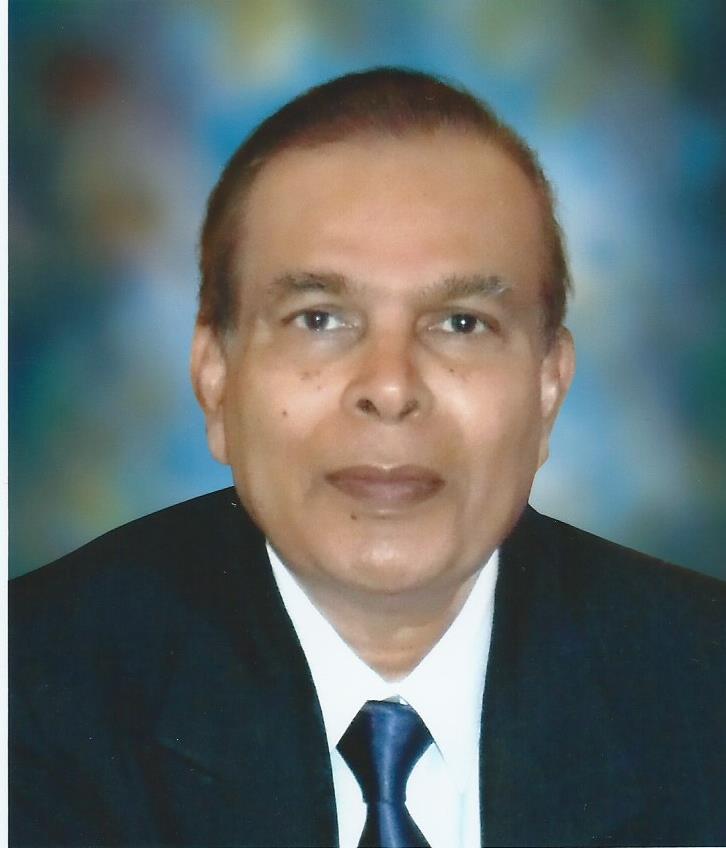 Dr. Odeen Ishmael, Ambassador Emeritus and historian, served as Guyana’s ambassador to the United States (1993-2003) while simultaneously functioning as his country’s permanent representative to the Organization of American States (OAS), to which he was Chairman on two separate periods. He was also ambassador to Venezuela (2003-2011) and to Kuwait (2011-2014). In addition, he has represented Guyana at the United Nations, in the Summit of the Americas process (up to 2003), and at the Union of South American Nations (UNASUR). Between 2003 and 2011, Dr. Ishmael served as the head of Guyana’s delegation to the Caracas-headquartered Latin American and Caribbean Economic System (SELA), eventually being elected as its Chairman (2009-2010). He was awarded one of Guyana’s highest honors, the Cacique Crown of Honor (1997), and the Martin Luther King Legacy Award for International Service (2002). Some of his authored books include: The Democracy Perspective in the Americas, The Guyana Story – From Earliest Times to Independence, and The Trail of Diplomacy – The Guyana-Venezuela Border Issue.
Dr.Cynthia McClintock
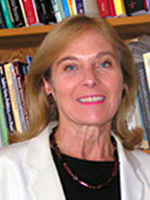 Cynthia McClintock is Professor of Political Science and International Affairs at George Washington University and Director of GWU’s Latin American and Hemispheric Studies Program. She holds the B.A. degree from Harvard University and the Ph.D. from the Massachusetts Institute of Technology. Dr. McClintock was President of the Latin American Studies Association in 1994-95. Also, she was a member of the Council of the American Political Science Association in 1998-2000, and served as the Chair of its Comparative Democratization Section in 2003-05. During 2006-2007, Prof. McClintock was a Fellow at the Woodrow Wilson International Center for Scholars. Based on her research at the Center, she is writing a book on the implications for democracy of runoff versus plurality rules for the election of the president in Latin America. Prof. McClintock has received fellowships from the U.S. Institute of Peace, Fulbright, and the Social Science Research Council as well as from the Woodrow Wilson International Center for Scholars. She has testified before the Subcommittee on Western Hemisphere Affairs of the U.S. House of Representatives and has appeared on a variety of television and radio programs, including the “News Hour with Jim Lehrer,” CNN International, CNN Spanish, National Public Radio, and the Diane Rehm Show.
Dr. Philip Oxhorn
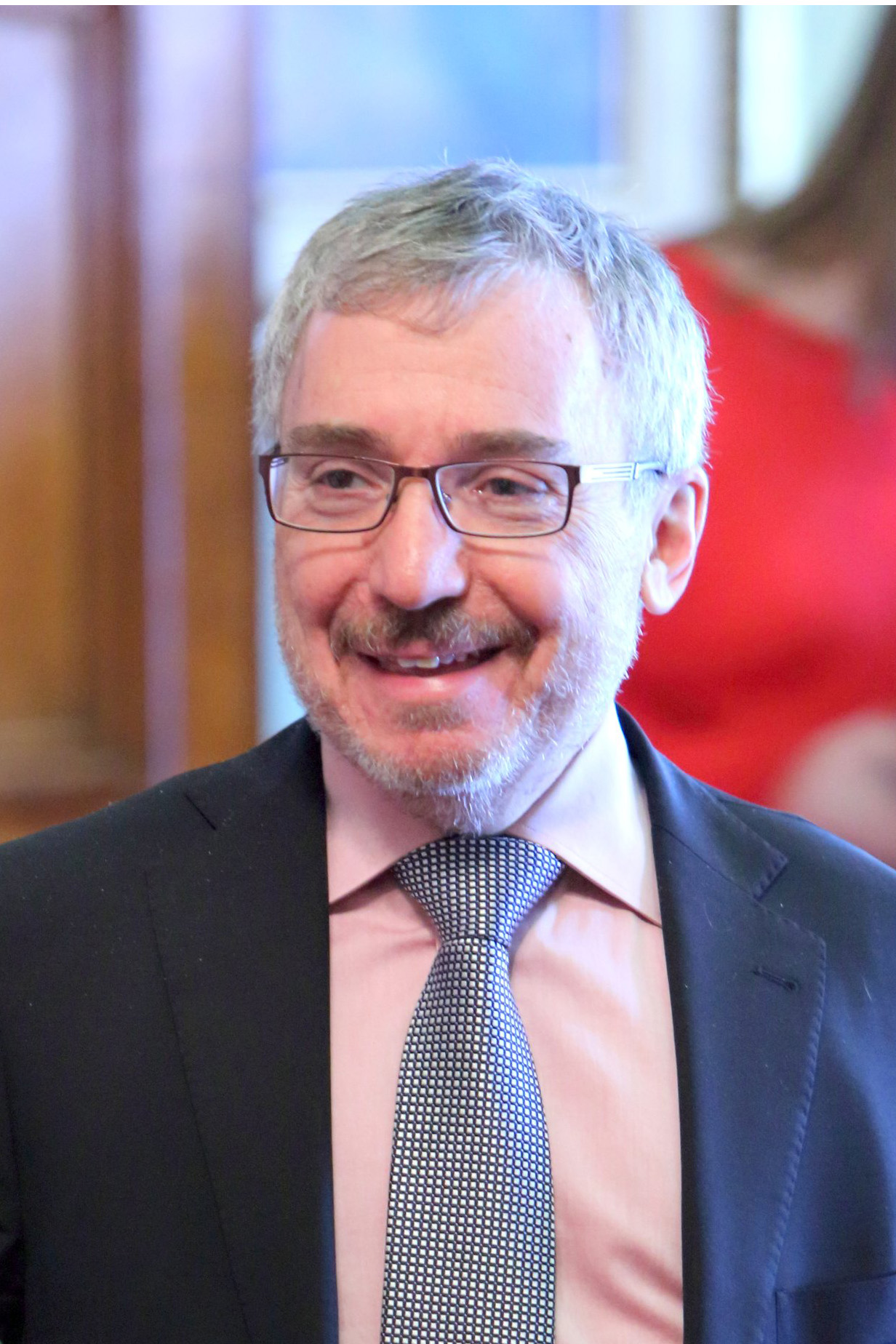 Philip Oxhorn is a Professor of Political Science at McGill University and the Founding Director of McGill’s Institute for the Study of International Development, as well as the Editor-in-Chief of the international journal Latin American Research Review. A former Associate Dean (Graduate and Postdoctoral Studies) at McGill, his research focuses on the comparative study of civil society and its role in supporting democratic regimes, particularly in Latin America. Professor Oxhorn’s publications include Sustaining Civil Society: Economic Change, Democracy and the Social Construction of Citizenship in Latin America (Penn State University Press, 2011) and Organizing Civil Society: The Popular Sectors and the Struggle for Democracy in Chile (Penn State University Press, 1995), as well as numerous articles and four co-edited volumes: What Kind of Democracy? What Kind of Market? Latin America in the Age of Neoliberlism (with Graciela Ducatenzeiler, Penn State University Press, 1998), The Market and Democracy In Latin America: Convergence or Divergence? (with Pamela Starr, Lynne Rienner Publishers, 1999), Decentralization, Civil Society, and Democratic Governance: Comparative Perspectives from Latin America, Africa, and Asia (with Joseph Tulchin and Andrew Selee Woodrow Wilson Center Press/the Johns Hopkins University Press, 2004), and Beyond Neoliberalism? Patterns, Responses, and New Directions in Latin America and the Caribbean (with Kenneth Roberts and John Burdick, Palgrave Macmillan, 2009). Professor Oxhorn has lectured extensively in North and South America, Africa,Western Europe, Asia and Australia. He has also worked as a consultant to the Inter-American Development Bank, the United Nations Development Program, the United Nations Population Fund, the Canadian International Development Agency (CIDA), the International Development Research Centre (IDRC), the Department of Foreign Affairs and International Trade, Canada, the MasterCard Foundation, Department for Aboriginal Affairs and Northern Development, Canada, the Ford Foundation, The Carter Center, the Woodrow Wilson Center for International Scholars, and the Mining Association of Canada. He has a PhD in Political Science from Harvard University.
Terrence E. Paupp J.D.
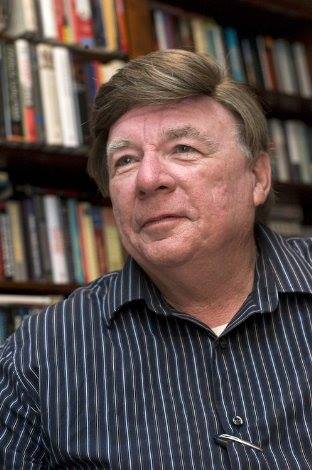 Terrence E. Paupp is an international law and human rights scholar. He holds a (BA) degree from San Diego State University, a Master of Theological Studies (MTS) from the Lutheran School of Theology at Chicago, and a Juris Doctor (JD) from the University of San Diego School of Law. As a globally recognized legal scholar, Paupp has published over 3,000-pages of articles and books on international law, civil and human rights, peace studies, and international relations. Employing an interdisciplinary approach to global problems, peace-studies, and region-building in Latin America, Asia, Africa, and the Middle East, he has contributed critical analysis and solutions to the problems of exclusionary states versus inclusionary states, poverty, wealth inequality and disparities, illegal hegemonic interventions — as well as the role of the United Nations, NGOs, and human rights organizations and scholars in providing alternatives to the status quo. Paupp’s published books include the following: Achieving Inclusionary Governance: Advancing Peace and Development in First and Third World Nations (Transnational Publishers, Inc., 2000); Exodus From Empire: The Fall of America’s Empire and the Rise of the Global Community (Pluto Press, 2007); The Future of Global Relations: Crumbling Walls, Rising Regions (Palgrave-Macmillan, 2009); Beyond Global Crisis: Remedies and Roadmaps by Daisaku Ikeda and his Contemporaries (Transaction Publishers, 2012); Redefining Human Rights in the Struggle for Peace and Development (Cambridge University Press, 2014); Robert Kennedy in the Stream of History (Transaction Publishers, 2014). Currently, he is working on a new book entitled, From Regional Peace to Global Peace: The ASEAN Security Community as a Model for Advancing Asia-Pacific Security, Region-Building, and Nuclear Weapon Free Zones (NWFZs). Also, he is currently working on a new book entitled, Latin America beyond Hegemony: The Collapse of Neoliberal Domination and the Rise of Social Justice Movements and Inclusionary States.
Salvador E. Pineda
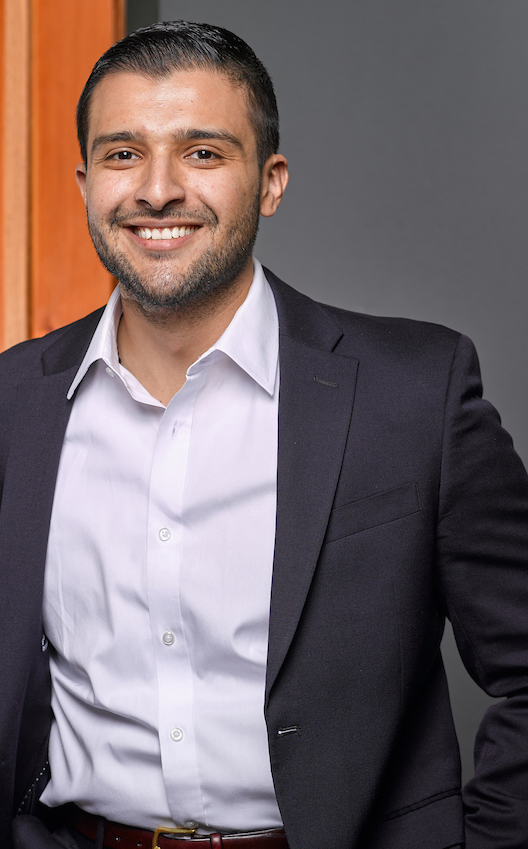 Salvador E. Pineda is originally from El Salvador and currently resides in Washington D.C. He earned his Master in Latin American Studies from the Edmund A. Walsh School of Foreign Service at Georgetown University. His research focuses on government institutions, international development and trade, citizen security policies as well as transitional justice in Latin America. He earned his bachelor’s degree in Political Science at the University of Maryland. As former Counselor and Alternate Representative for the Permanent Mission of El Salvador to the Organization of American States (OAS), he has wide experience advancing political, economic and social issues at multilateral levels. Prior to his work as a diplomat, Mr. Pineda spent several years working in the implementation and furthering of legal-aid programs to low income residents throughout the metropolitan region of Washington D.C. Among those, he managed foreclosure prevention and special education advocacy programs. It is this multidimensional experience that enhances his research endeavors and allows him to bring a comprehensive perspective to his analysis. Some of his academic research has appeared in Democracy & Society Journal, Revista de Estudios Centroamericanos (ECA), and others.
Dr. Francisca Reyes
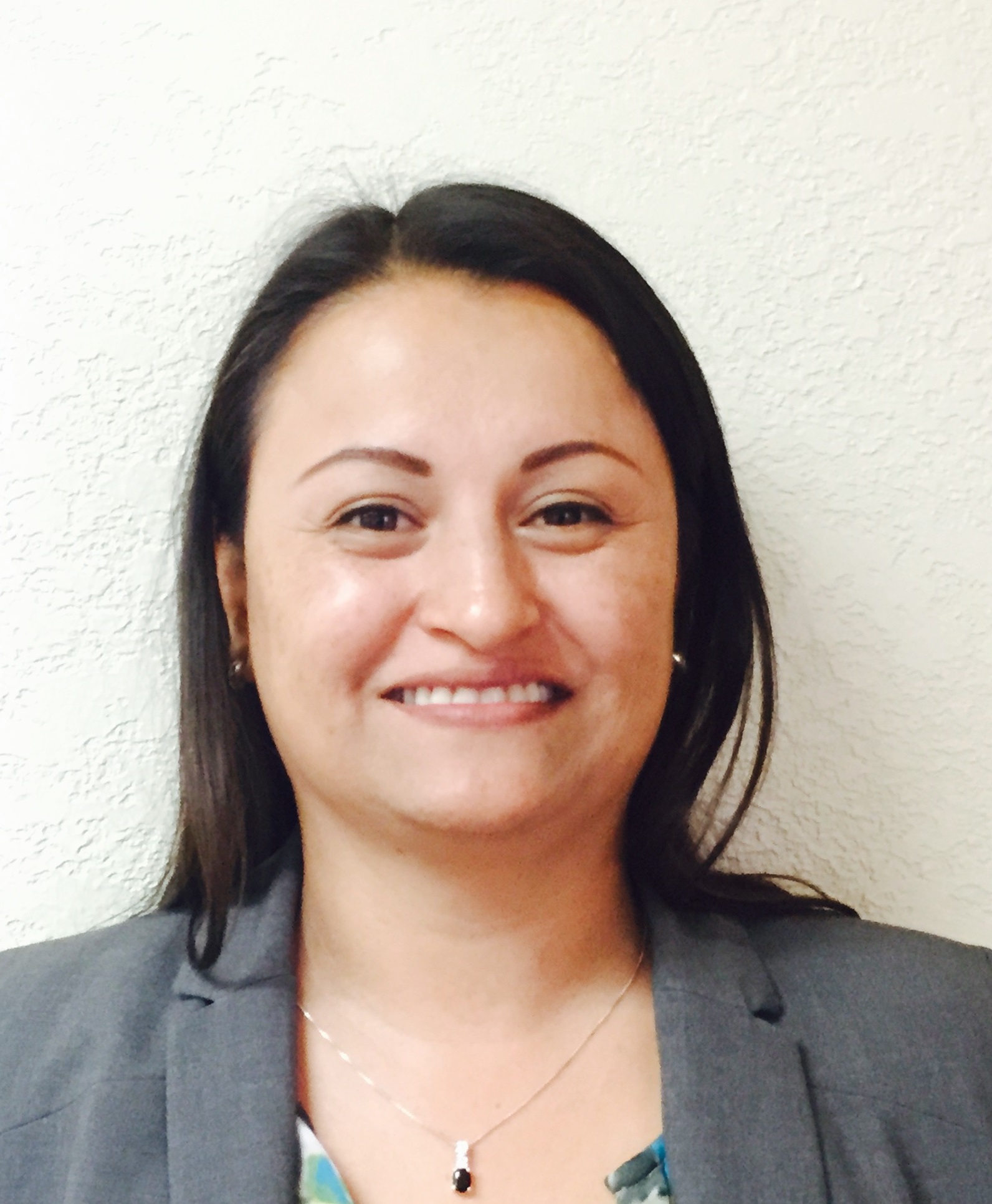 Dr. Francisca Reyes is an Assistant Professor of Economics at Western New Mexico University. She received her Doctorate of Economic Development from New Mexico State University. Dr. Reyes’ research covers a wide range of topics that include international economics, entrepreneurship, female labor participation, water scarcity, U.S. – Mexico border issues, and international migration. She earned her BS in Industrial Engineering from Instituto Tecnologico de Durango in Mexico, her MBA & MPA from University of Texas at El Paso. Dr. Reyes has worked with private and public organizations in Mexico and the U.S.
Dr. Kirwin Shaffer
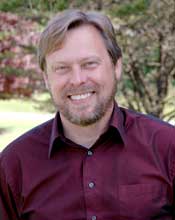 Dr. Kirwin Shaffer is Professor of Latin American Studies at Penn State University. He received his Ph.D. in Latin American History at the University of Kansas (1998). Dr. Shaffer is dedicated to researching the transnational anarchism in the Americas. In 2005, he published his book Anarchism and Countercultural Politics in Early Twentieth-Century Cuba (University Press of Florida). In 2013, he published Black Flag Boricuas: Anarchism, Antiauthoritarianism, and the Left in Puerto Rico, 1897-1921 (University of Illinois Press). In 2015, he co-edited another book with Geoffroy de Laforcade, titled In Defiance of Boundaries: Anarchism in Latin American History (University Press of Florida). Dr. Shaffer is currently writing a book on anarchist networks in the Caribbean region, including Panama, Mexico, Puerto Rico, Cuba and the United States.
John Stolle-Mcallister
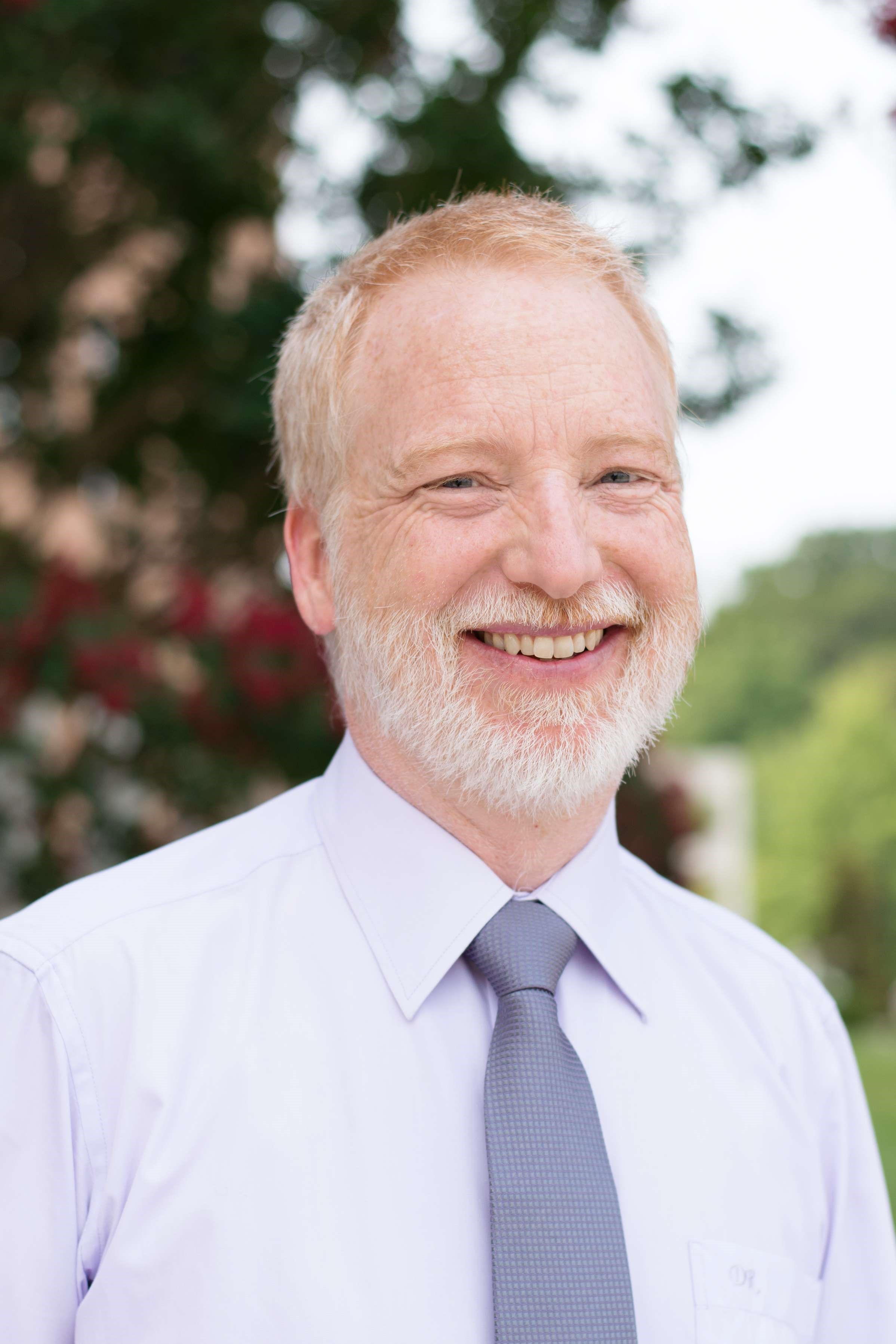 John Stolle-McAllister is an Associate Professor of Spanish and Intercultural Communication at the University of Maryland Baltimore County. His research and teaching interests include cultural change and social movements in Latin America. He authored Mexican Social Movements and the Transition to Democracy, which analyzes two towns’ resistance to development projects that threatened their livelihoods and their sense of community. His current book project examines the development of intercultural political, community and environmental relationships in Kichwa communities in northern Ecuador in the wake of that country’s Indigenous rights movement. He earned his BA from Bates College, and his MA in Hispanic Literatures and PhD in the Comparative Studies of Discourse and Society from the University of Minnesota.
Dr. Michelle Switzer
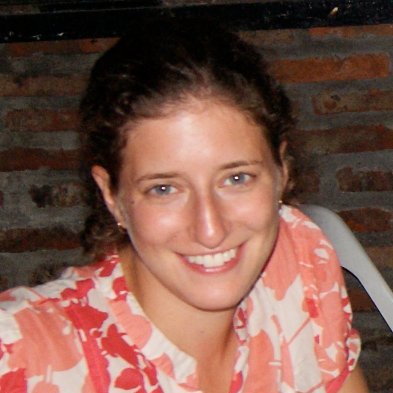 For the last 12 years, Michelle’s work and research have focused on the impacts of Latin America’s changing political and social landscape both locally and globally. Her master’s research looked at the challenges facing indigenous civil war widows in highland Guatemala in the decade following the signing of the Peace Accords. For her doctorate, Michelle analyzed the growing tension between supporters and resisters of Uruguay’s expanding pulp and exotic tree plantation industry, paying particular attention to the ways that plantation forestry has reshaped the political and environmental landscapes and Uruguayans’ relationships with them. Michelle is currently a Resident Anthropologist with the Insights Team at Idea Couture in Toronto. Previous posts include working as a Research Analyst for the Province of Ontario; as the coordinator for the Extractives Industry Project at Centre for Research on Latin America and the Caribbean (CERLAC), and as a Community Outreach and Communications Coordinator with the Canadian-based international development agency, Horizons of Friendship. She is a Senior Research Fellow with the Council on Hemispheric Affairs (COHA) in Washington and Vice-President on the Board of Directors for the Centre for Spanish Speaking Peoples in Toronto.
Stansfield Smith
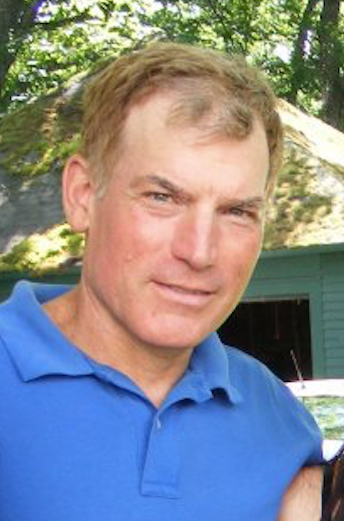
Stansfield Smith maintains ChicagoALBASolidarity.
William Camacaro
Originally from Venezuela, William studied at Queens College where he obtained two masters degrees- one in Fine Arts and another one in Latin-American Literature. He is the co-founder and coordinator of the Alberto Lovera Bolivarian Circle of New York and is an artist, radio host at pacifica network WBAI New York, and activist in New York City.
Siobhan K. McCollum
Siobhan K. McCollum is a Ph.D. candidate in the Social Anthropology department at York University in Toronto. Her research focuses on the cultural politics of the environment, the development of the waterscape, expatriate and lifestyle migration and residential tourism, and land rights in coastal communities. Specifically, her ethnographic fieldwork is located in an indigenous Garifuna village in Belize. Her Masters degree is also from York University and she holds two Bachelors degrees from SUNY College at Buffalo, in Cultural Anthropology and in Broadcasting.
Dr. Greg Grandin
Greg Grandin is a Professor at New York University and the author of a number of prize-winning books, including most recently “The Empire of Necessity: Slavery, Freedom, and Deception in the New World,” which won the Bancroft Prize in American History and was shortlisted for the Samuel Johnson Prize in the UK. NPR’s Maureen Corrigan on Fresh Air named The Empire of Necessity as the best book of 2014, both non-fiction and fiction. “Fordlandia: The Rise and Fall of Henry Ford’s Forgotten Jungle City” was a finalist for the Pulitzer Prize in History, as well as for the National Book Award and the National Book Critics Circle Award and was picked by the New York Times, New Yorker, Boston Globe, Chicago Tribune and NPR for their “best of” lists, and Amazon.com named it the best history book of 2009. Grandin’s other books include “Empire’s Workshop, The Last Colonial Massacre, The Blood of Guatemala,” and the co-edited (with Gil Joseph) anthology, “A Century of Revolution: Insurgent and Counterinsurgent Violence during Latin America’s Long Cold War.” A professor of history at NYU and a member of the American Academy of Arts and Sciences, Grandin writes on American Exceptionalism, US foreign policy, Latin America, genocide, and human rights. He has published in The New York Times, Harper’s, The London Review of Books, The Nation, The Boston Review, The Los Angeles Times, and The American Historical Review. He has been a frequent guest on Democracy Now! and has appeared on The Charlie Rose Show. Grandin also served as a consultant to the United Nations truth commission on Guatemala and has been the recipient of a number of prestigious fellowships, including the John Simon Guggenheim Memorial Fellowship and the New York Public Library’s Cullman Center for Scholars and Writers.
Dr. Sean Burges
Sean W. Burges holds a Ph.D. in Politics & International Studies from the University of Warwick, England. He is currently an Adjunct Professor with the School of Political Studies at the University of Ottawa. His research interests focus on Brazilian foreign policy, inter-American affairs, and emerging market countries (BRICs) in world affairs, with special reference to trade and foreign aid. He is the author of Brazilian Foreign Policy After the Cold War (University Press of Florida, 2009), and has published on Brazil, inter-American affairs, and democratization in International Relations, Third World Quarterly, The Bulletin of Latin American Research, The Canadian Journal of Latin American and Caribbean Studies, Canadian Foreign Policy, International Journal, and The Cambridge Review of International Affairs, as well as in edited volumes with Johns Hopkins University Press and Palgrave Macmillan. His news and editorial contributions have been made to Swiss National Radio, the BBC World Service, The National Post, Miami Herald, Journal of Commerce, Financial Post, Washington Post, Washington Times, Maclean’s, Brazil Magazine, FOCAL Point, and Military Review. Burges is currently working on the tension between the OECD member countries and BRIC countries in the new international economic and aid governance order, as well as an extended research project on the state-business nexus in contemporary Brazilian development policy.
Southern Cone Unit
Dr. Charles H. Blake
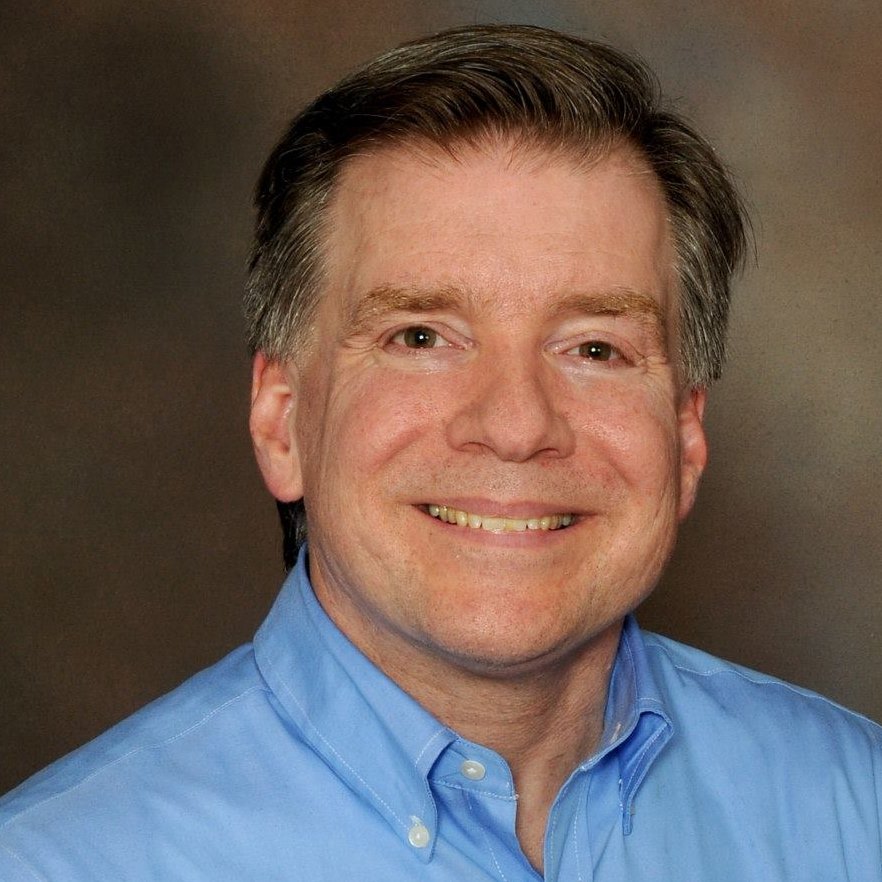 Charles Blake is a Professor of Political Science at James Madison University. He earned his undergraduate degree from Davidson College and the Ph.D. in political science from Duke University. He received the JMU Alumni Association’s Distinguished Faculty Award in 2012 and was a co-recipient of the Provost’s Award for Contributions to the Liberal Arts in 2011. His research agenda examines the dynamics of socioeconomic policies and the pursuit of greater governing transparency and accountability in Latin America. He has field experience at research institutes and universities in Argentina, Italy, Mexico, Spain, and Uruguay. His research has been supported by the Fulbright program, the Organization of American States, and the Tinker Foundation. With Stephen Morris, Dr. Blake has co-edited two volumes on corruption dynamics — Corruption and Democracy in Latin America (University of Pittsburgh Press, 2009) and Corruption and Politics in Latin America: Regional and National Dynamics (Lynne Rienner Publishers, 2010). His research has been published in various academic journals, including Comparative Political Studies; Democratization; Journal of Inter-American Studies & World Affairs; The Review of International Political Economy; and Studies in Comparative International Development. His research in progress examines the relationship between federalism and mechanisms of horizontal, societal, and vertical accountability.
Fransisco Ugás
 (Santiago, September 15th, 1978 – ) Lawyer, title granted by the Supreme Court of Justice of Chile. Degree in Law and Bachelor in Social Sciences and Humanities, at the Pontificia Universidad Católica of Chile. Master in Fundamental Rights and also Master in Advanced Studies in Human Rights, both degrees conferred by the Universidad Carlos III of Madrid, Spain. He worked as a legal assistant, and later as an attorney at the Legal Counseling Unit of the Metropolitan Regional North Central Prosecutor’s Office. Lawyer at the Human Rights Office of the Judicial Assistance Corporation. Subsequently, he served as an attorney at the Division of Studies of the North Metropolitan Regional Defender Office. Between April 2010 and April 2014, he was the Head of the Legal Area at the Human Rights Program of the Home Office of Chile. From April 2014 to September 2015, he served as Executive Secretary of the above-mentioned Program. From September 2016 until today, he works as an attorney at the Nelson Guillermo Caucoto Pereira and associate attorneys Law firm, in Santiago, Chile.
Previous Research Fellows
Jordan Bazak
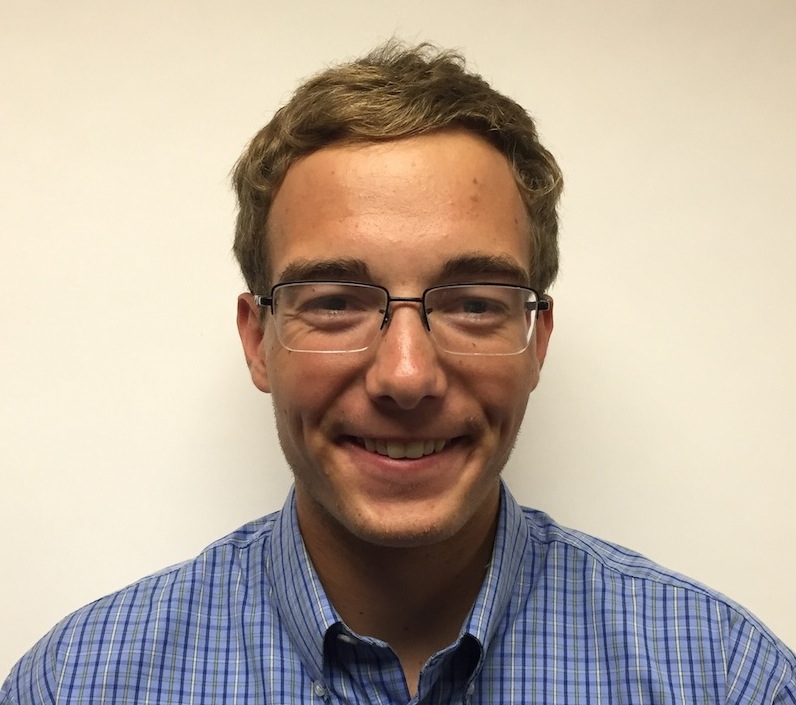 Jordan Bazak is a language teacher based in Roanoke, Virginia, specializing in Spanish and English instruction. Jordan has a Bachelor of Science in economics from George Mason University as well as minor degrees in Spanish and mathematics. His past internship positions include the Fundación Directorio Legislativo, an Argentine NGO fighting for legislative transparency, the Roanoke-Valley Alleghany Regional Planning Commission, and Roanoke City’s Department of Economic Development. In 2016, he served four months as a COHA Research Associate, managing the Washington Review on the Hemisphere and authoring over a dozen articles. Jordan is currently seeking admission to a top Ph.D. program in economics, where he hopes to focus on development challenges in Latin America. In the meantime, he will volunteer as an English teacher in Arequipa, Peru with Helping Overcome Obstacles in Peru (HOOP). Jordan specializes in the economics, history, and politics of Uruguay, Argentina, and Chile. He has also researched the indigenous languages of Southern Mexico among other topics.
Clément Doleac
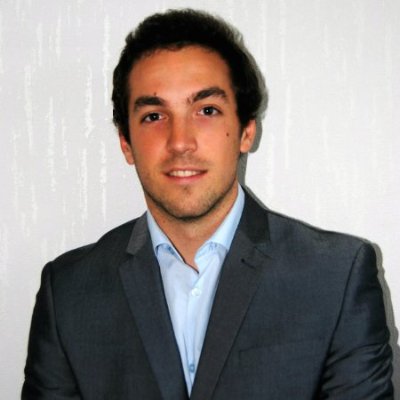 Clément Doleac is a French citizen and worked for the Council on Hemispheric as Research Associate from October 2014 to February 2015 and as Research Fellow since then. He is also working with the Rights and Resources Initiative (RRI) since April 2015. He graduated from the Université Lumière Lyon 2, in France, in June 2012 with a Master Degree in Political Sociology and from the Institut d’EÉudes Politiques in Grenoble, in France, in September 2014, with a Master Degree in International Relations/Latin American Studies. During his studies, he has focused on security issues and the fear of crime in Mexico and in Colombia, two countries he lived in for nearly three years. He also studied Western Hemisphere cooperation and diplomacy and relationship between the Western Hemisphere and the European Union. Clément has an interest in Latin American affairs, foreign policy, civil and human rights, as well as sustainable development and climate change issues. Prior to joining Rights and Resources, he worked at the French embassy in Mexico, the Organization of American States in Washington D.C., as well as the international security firm Geos, in Mexico. Clément is fluent in French, Spanish and English.
Emma Tyrou
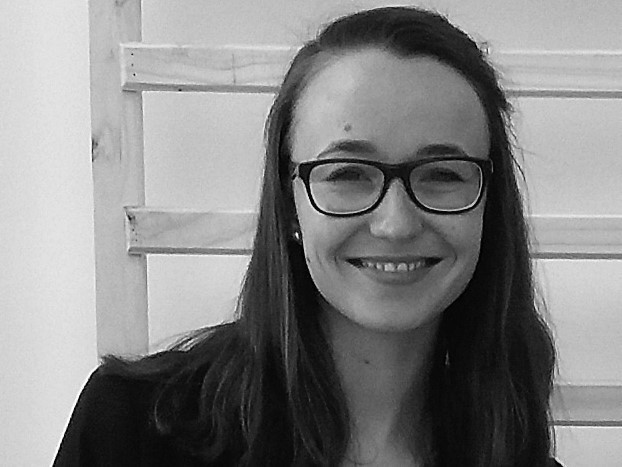 Emma is currently specializing in agricultural development policies at the Institute for Economics and Social Development of Panthéon Sorbonne (IEDES) in Paris, France. A French national fluent in English and Spanish with good knowledge of German, Emma has long term experiences with human rights and international cooperation organizations in the US and Colombia, as well as Europe (Bosnia Herzegovina, France, Spain and Germany). She worked for the Council on Hemispheric as Research Associate from April 2016 and as Research Fellow since June 2017.
Her fields of expertise are political sciences and development studies applied to Latin American and Colombian affairs, as well as environmental issues. She aspires to gain experience in rural development and food sovereignty, both at the levels of governance and on the field. She holds a MA in International Relations and Political Sciences (Latin American Studies) from the Institute of Political Sciences “Sciences Po” Grenoble. While graduating in September 2017, she defended her thesis on sustainability policies in the frame of a 5 months internship at the EU Delegation in Bogota, Colombia. She received her Bachelor in European and International Affairs at the University of Versailles in France in 2014, graduating with high honors as the valedictorian of her class.
Sheldon Birkett
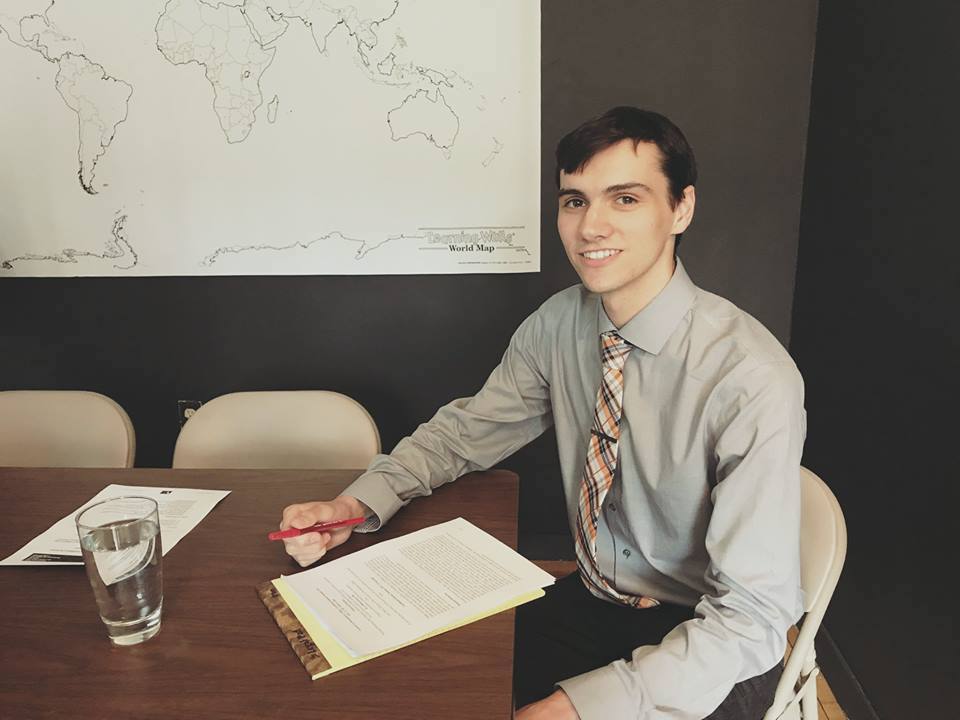 Sheldon Birkett publishes articles on international economics, trade, and comparative politics. Sheldon was a Research Associate with the Council on Hemispheric Affairs (COHA) during the summer of 2017. During his time at COHA he researched trade policy on the NAFTA (North American Free Trade Agreement) renegotiations between Canada and the United States, Caribbean economic integration, and the facilitation of grand corruption in Latin America. In addition, he was the Seminar Coordinator and interim Washington Report on the Hemisphere (WRH) manager. Currently, Sheldon is a peer subject coach and facilitator in economics while pursuing to finish his bachelors degree in (B.GInS) Global and International Studies specializing in Global Politics at Carleton University in Ottawa, Ontario, Canada. Sheldon is continuing to publish articles on Canadian trade policy at COHA while pursuing to conduct research with prominent think tanks in Ottawa.
Brazil Unit
Liliana Muscarella
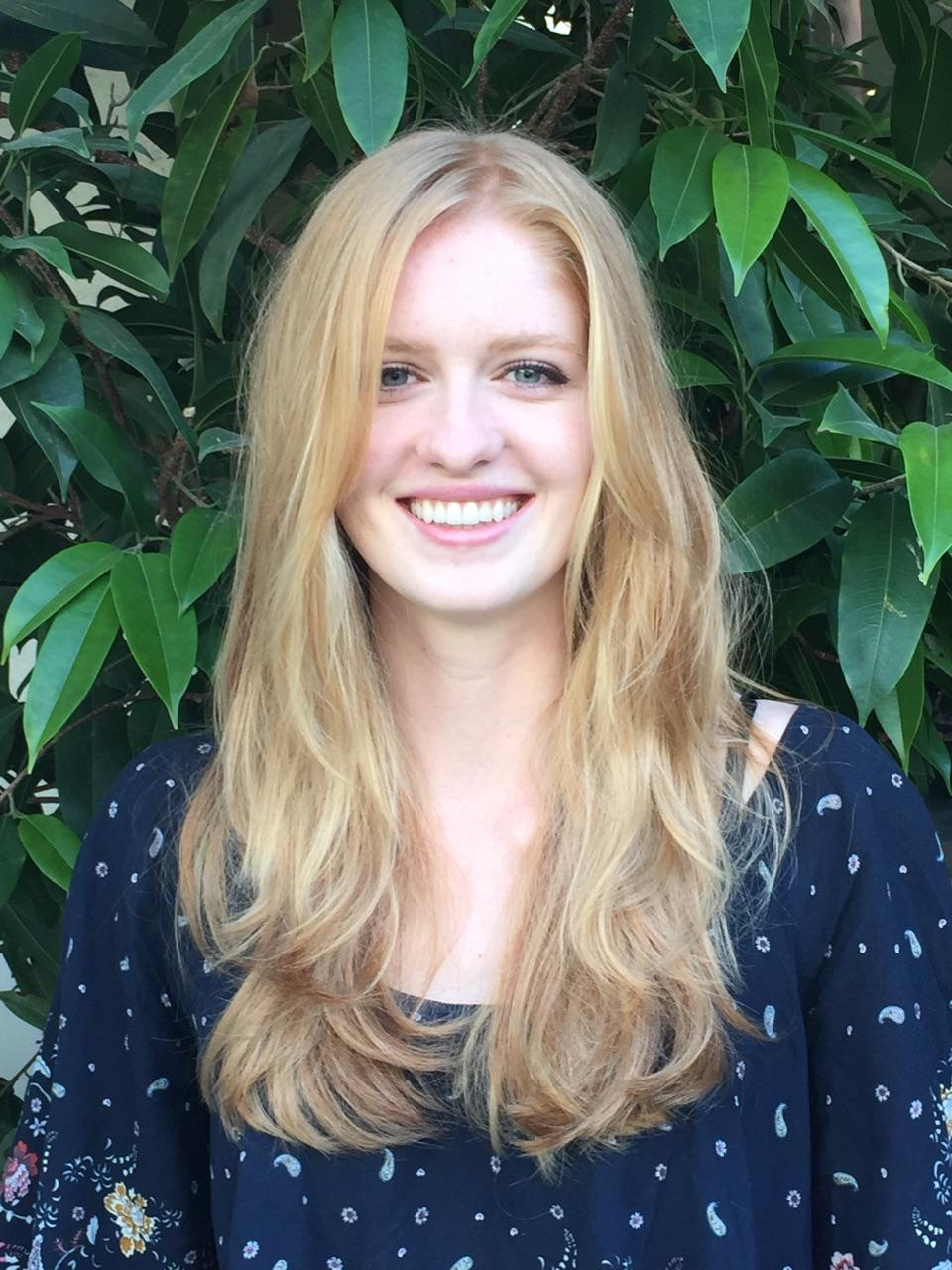 Liliana Muscarella is Managing Editor of COHA’s Brazil Unit, led by Aline Piva, as well as a Research Fellow and former Associate at COHA. Having worked in peacebuilding and diplomacy in Washington, D.C., Liliana now lives in Paris, where she is a Master’s student in Human Rights and Humanitarian Action at Sciences Po, Paris School of International Affairs. There, her studies focus on humanitarian law, diplomacy, and Latin American affairs. Liliana’s research for COHA centers around the intersection of political conflict, human rights, and U.S. intervention in the Americas, and her regional interests include Venezuela, Brazil, and Central America. While working with COHA, Liliana has published articles in English and Spanish, many of which have been recognized in media outlets from Cuba to Ukraine. Liliana is a Summa Cum Laude graduate of the University of California, Santa Barbara, where she achieved bachelor’s degrees in Global Studies and Sociology and minored in Spanish.
Madeline Asta
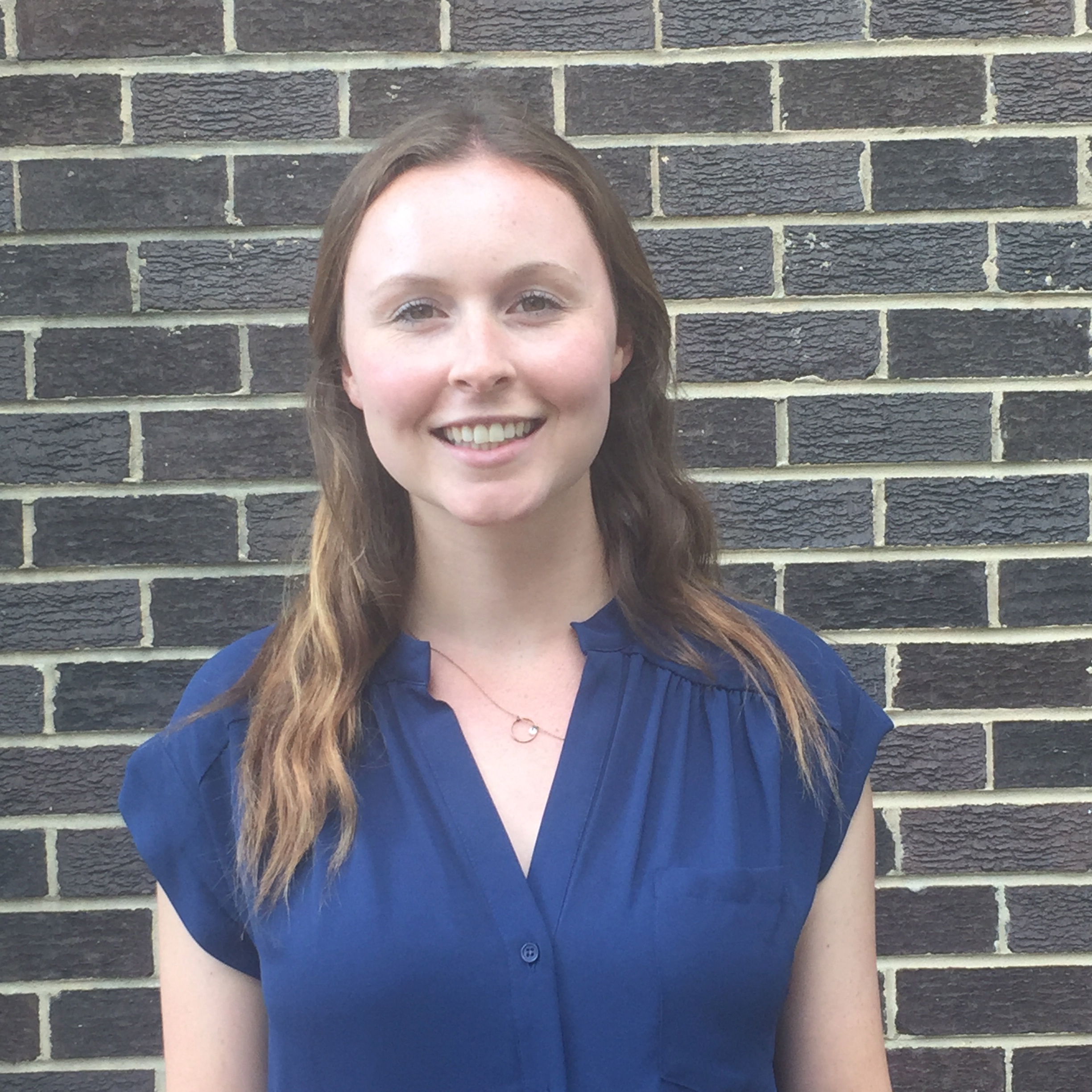 Madeline Asta interned as a Research Associate at COHA during the summer 2017, specializing in issues concerning Brazilian politics, economics, and human rights. Currently, Madeline studies at the University of California, Santa Barbara and is finishing her bachelor degrees in Economics and Global Studies, with an emphasis in Latin America. Madeline’s interest in Brazil began during her studies at Pontifical Catholic University in Rio de Janeiro in the Fall 2016, where she studied Brazilian foreign policy, contemporary social issues, and Portuguese. Through her research, Madeline seeks to analyze political and economic policies through their social effects. After completing her degrees, Madeline hopes to live in Latin America and work in the field of Development Economics.
Southern Cone Unit
Tobias Fontecilla
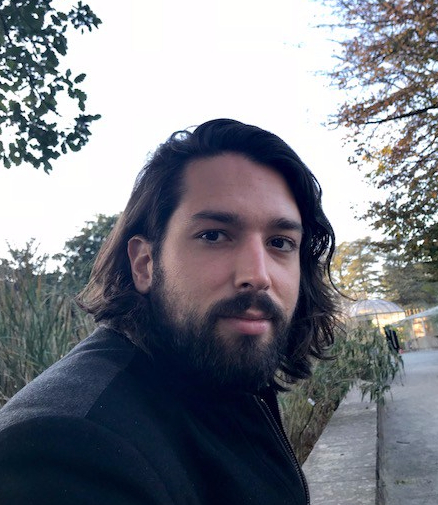 Tobias is a recent graduate from the University of Essex where he obtained an M.A. in Political Science in December 2016. He is in the process of launching COHA’s first-ever Southern Cone Unit, focusing on the issues affecting Chile, Argentina, and Uruguay. As the son of a political exile from Chile, he has long been connected to the region and he specialized in Latin American politics during his undergraduate studies. Working as a Research Associate at COHA for over four months allowed him to further explore a wide variety of issues affecting Latin America, ranging from corruption, political rhetoric, socioeconomic reform, electoral behavior, and U.S foreign policy. Being fully-trilingual, Tobias translated a number of articles written by his peers from English to Spanish and English to French. Upon completing his term as Research Associate, he was awarded a Fellowship and offered the opportunity to establish and manage the new Southern Cone Unit. His intimate knowledge of the region will help further COHA’s stated agenda in the coming years, with many pernicious political, social, and economic reforms already well under way. Beginning end of September 2017, the articles produced under the umbrella of the Southern Cone Unit will be published in the three major languages used by international institutions (English, Spanish, and French) in order to expand COHA’s influence.
Jack Pannell
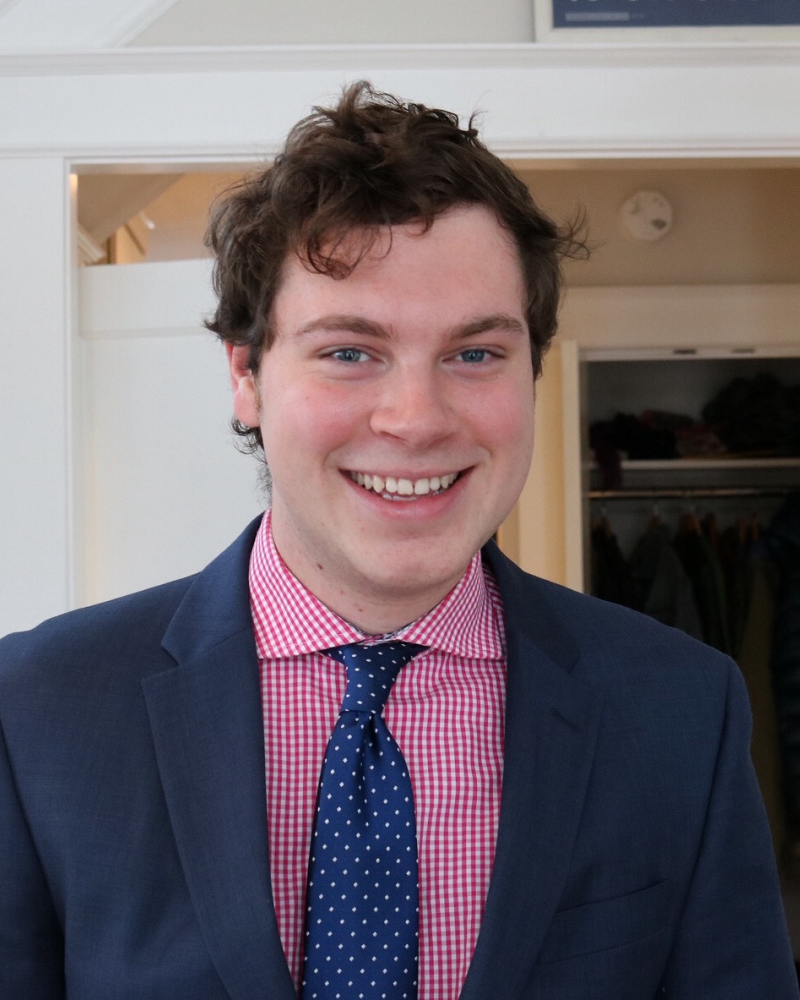 Jack Pannell worked as a Research Associate at COHA from June to August 2017, and has been a Research Fellow with COHA’s Southern Cone Unit since then. He studies History at The University of Warwick in the United Kingdom, with a focus on Latin America. During his studies he focused on Mexican political history and researched the dictatorships in the Southern Cone. After spending a year studying at Universidad de Buenos Aires he developed a keen interest in Argentine politics. He has also worked with American foreign policy, particularly towards Latin America, when working at the office of former Senate Minority Leader Harry Reid. After completing his degree, Jack hopes to continue to study latin american history and current affairs.
Previous Research Associates
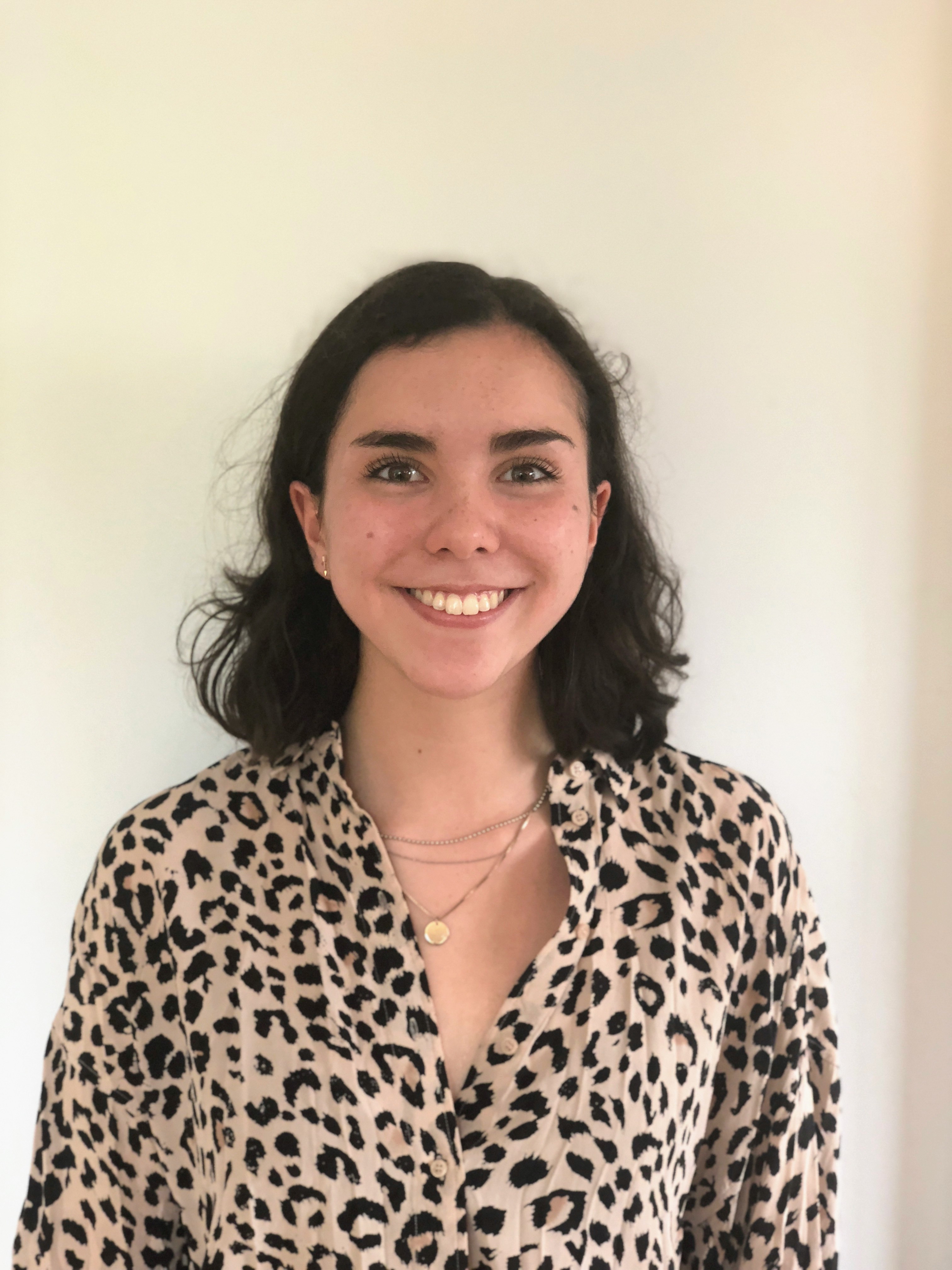
Devin Lee – Junior at New York University where she studies Politics and Latin American Studies.
Interests – Indigenous rights and racial inequality in Latin America, U.S.-Mexico border issues
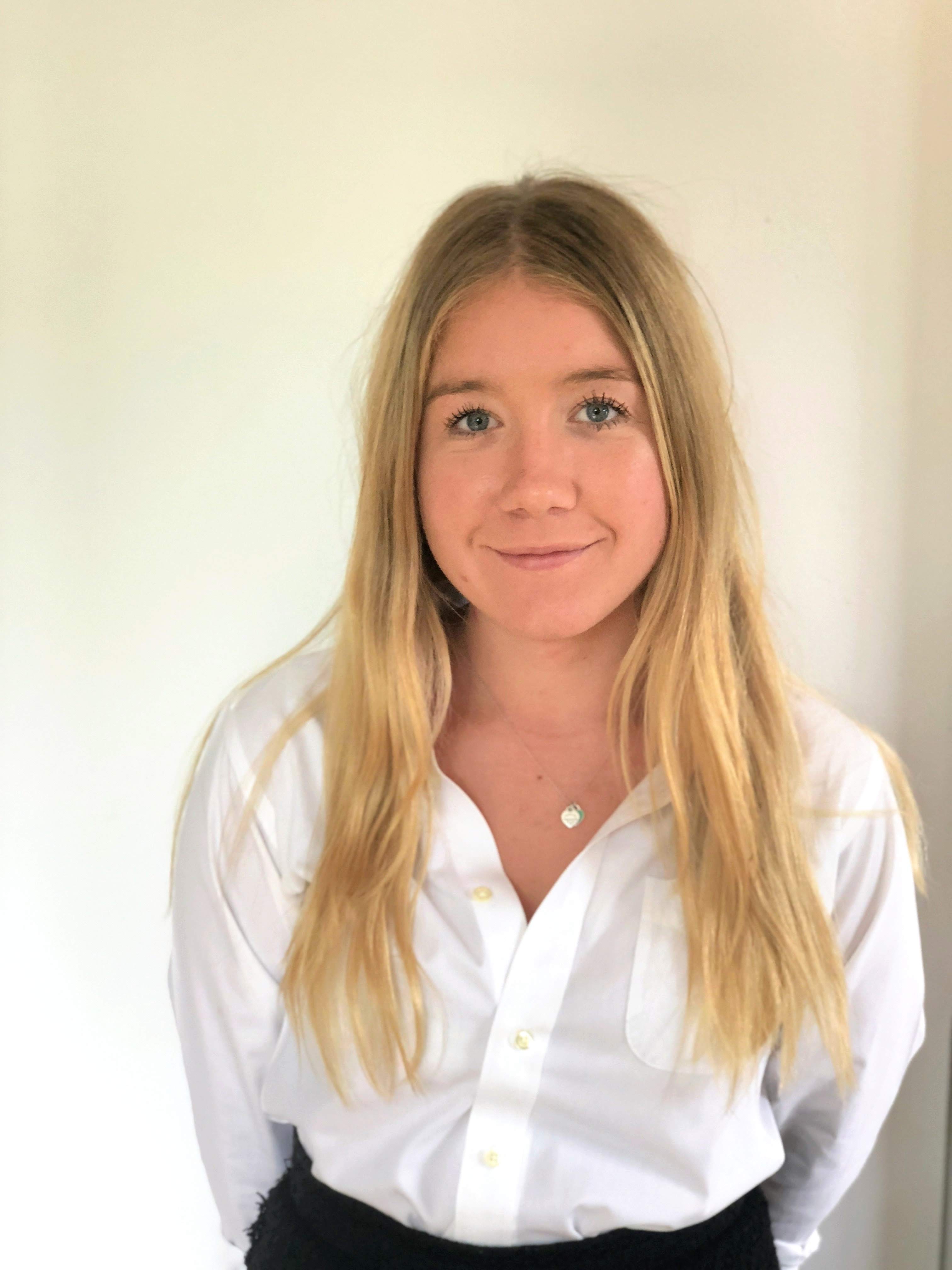
Elisabeth Merel Kraaijenbrink – Attending Law School at Tilburg University In The Netherlands. Previously got her BA in Business and Economics from Hendrix College.
Interests – Economic Development, Trade relations, Europe
Additional COHA title(s)– Office Manager
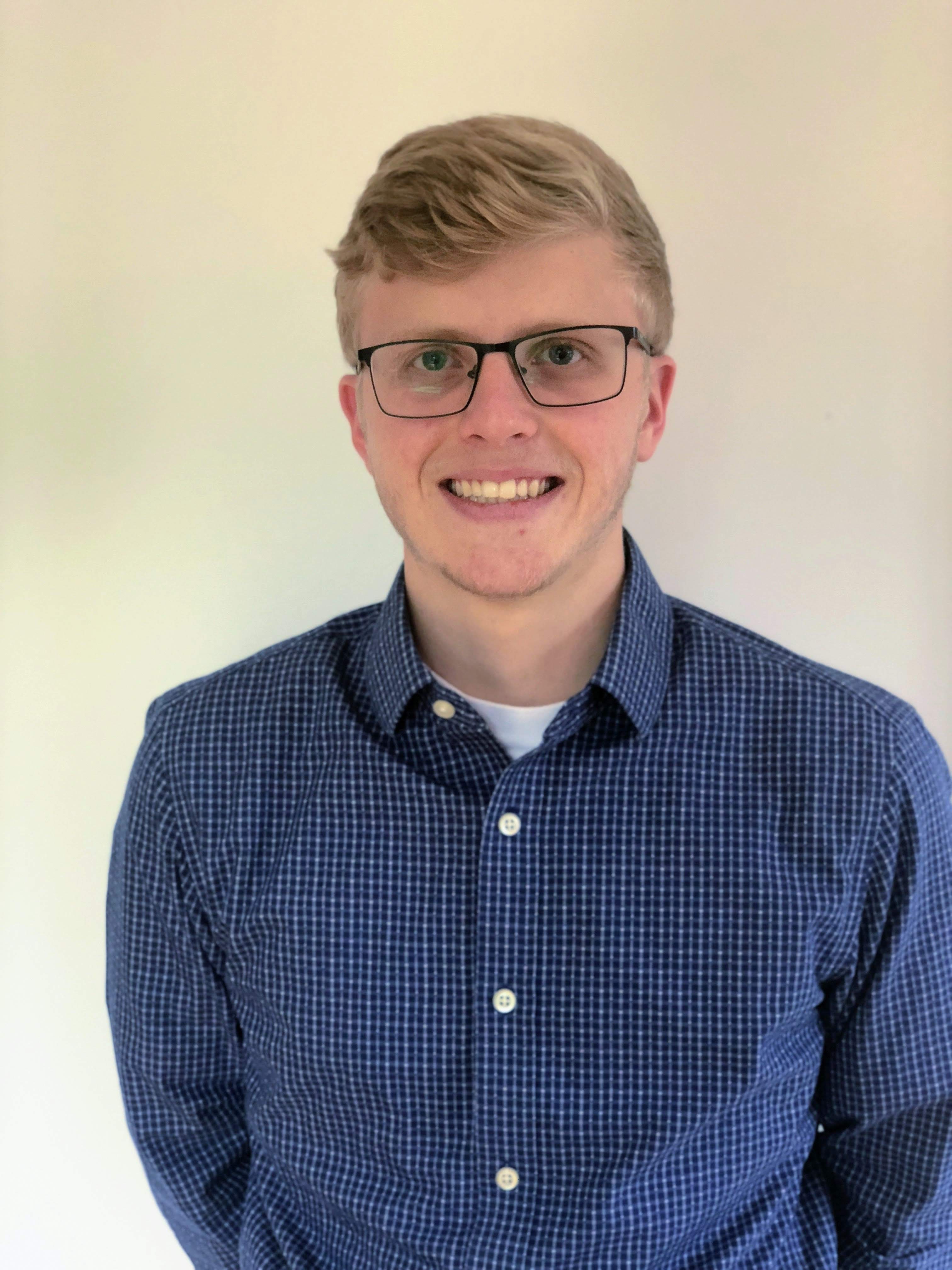
Jonathan A. Goodman – Fourth-year student at New College of Florida, completing a joint degree in International Studies and Political Science, with a focus on international migration.
Interests – Democratic governance, universal human rights, international migration, Andean affairs.
Additional COHA title – WRH Manager
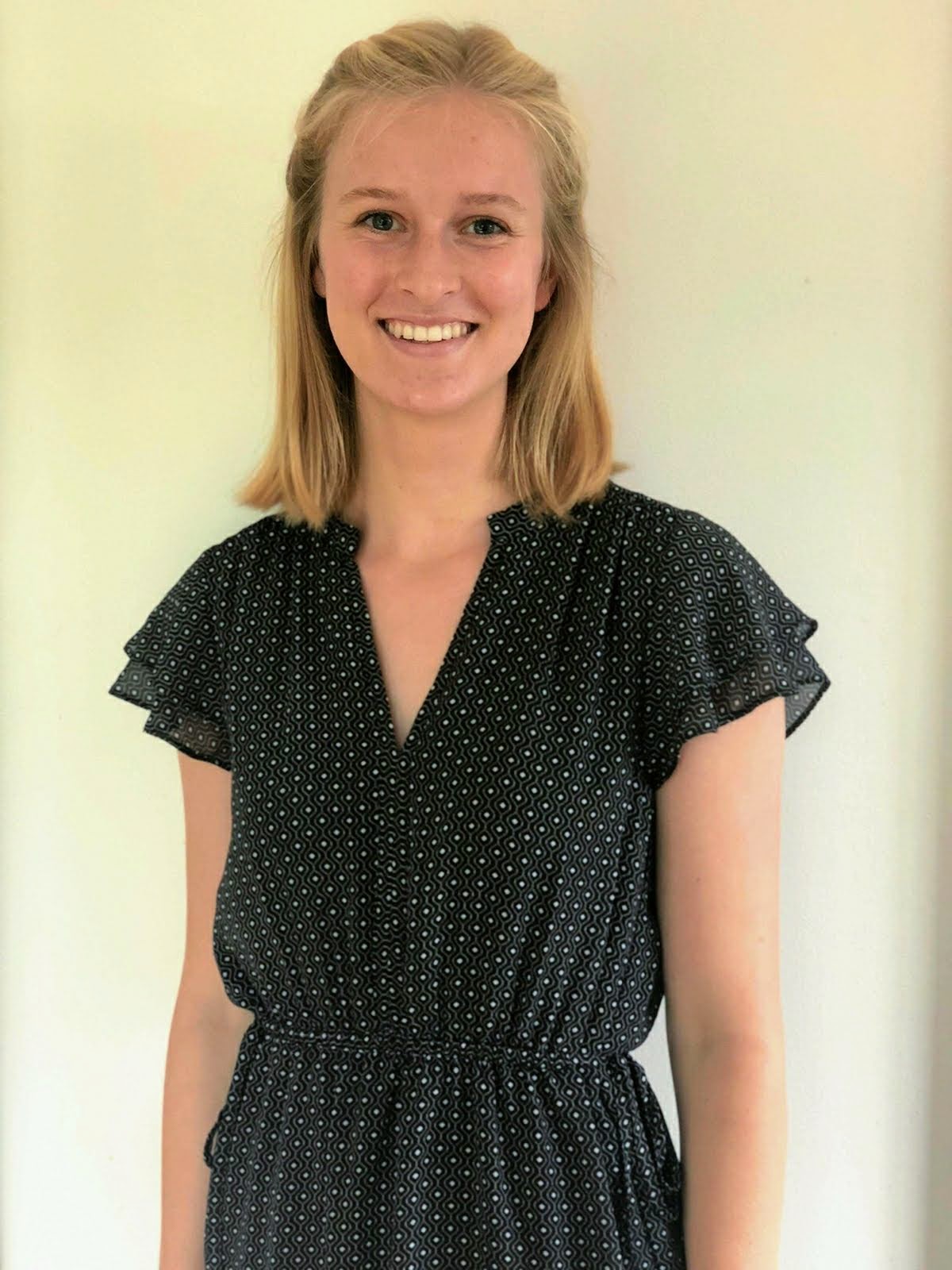
Lydia Blum – Third year at the University of St Andrews where she is pursuing a joint honours degree in Spanish and International Relations with concentrations in diplomacy and human rights.
Interests – Central America, Mexico, Human Rights, Women’s Rights
Additional COHA title(s) – Website Manager
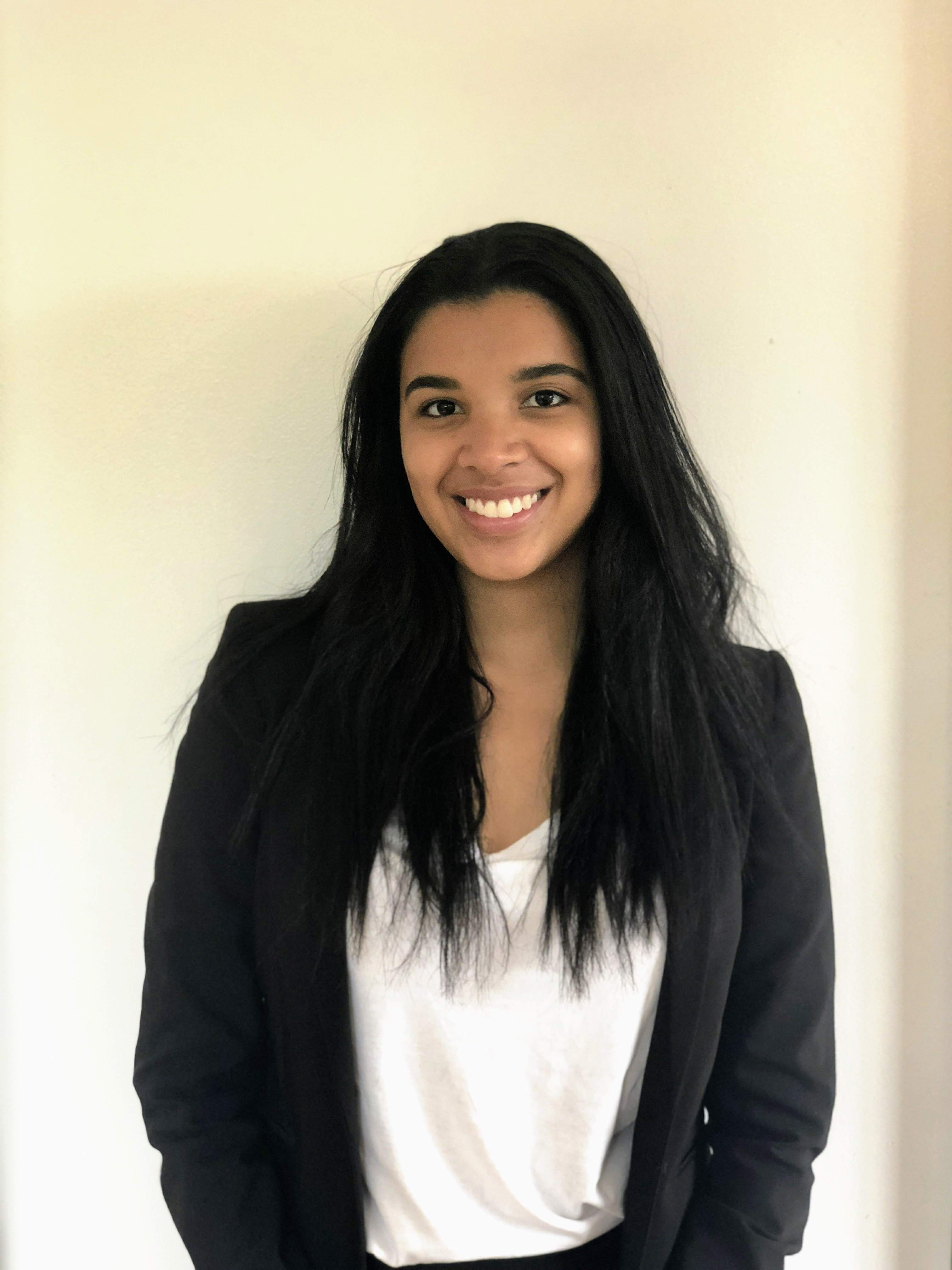
María del Pilar de Luque Palacio – Universidad de Navarra undergrad in International Relations, Faculty of Law
Interests – Women’s Rights movements, Latin American political and economic issues, Human Rights
Additional COHA title(s) – Social Media Manager
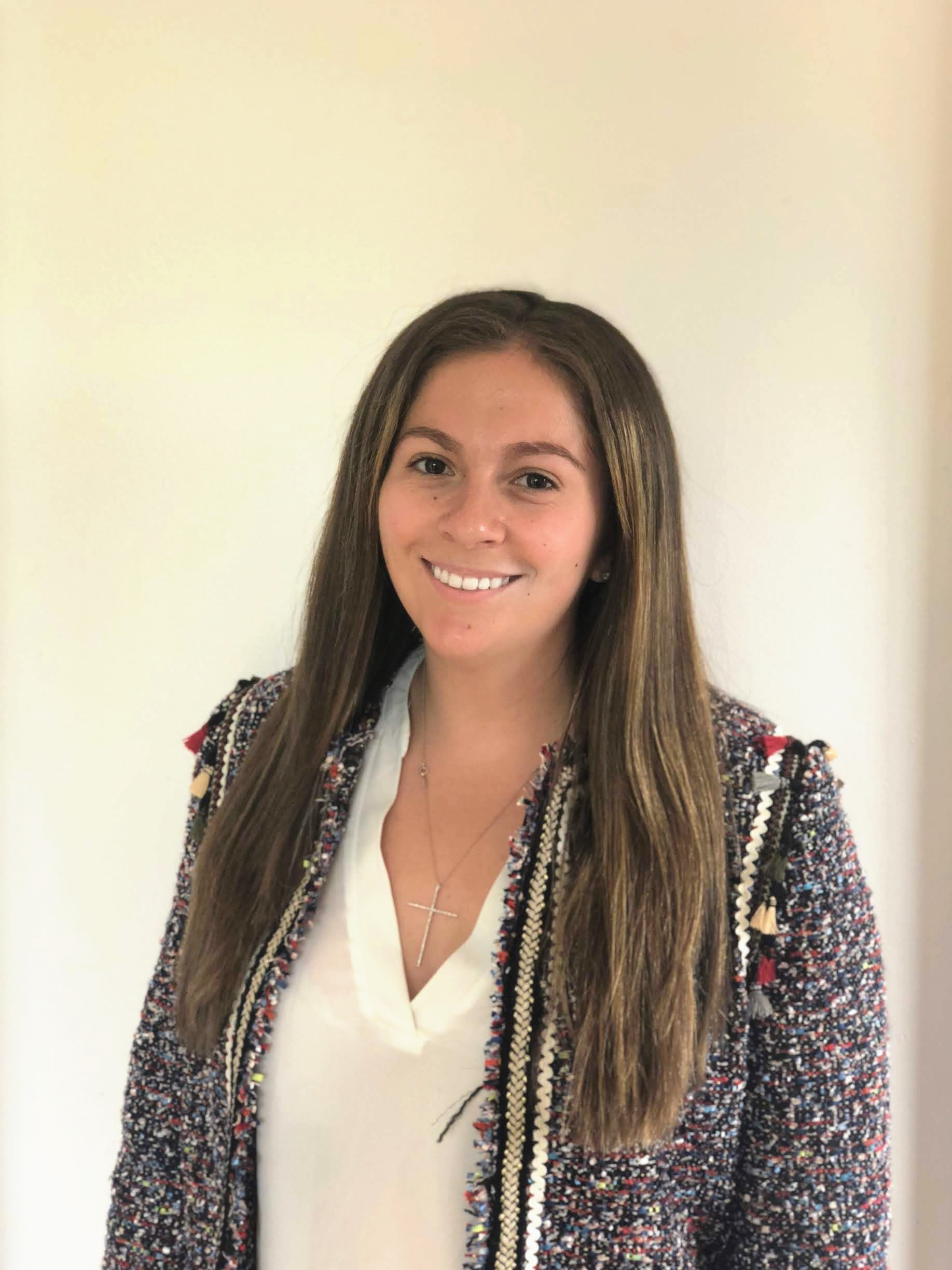
Natalie K. Ponce – Junior at Stanford University where she is completing a double major in Italian and International Relations (concentrations in Latin American studies and economic development/ world economy)
Interests – Cuba, Democracy, Rule of Law, Human Rights, International Law, European Union, linguistics and Italian politics
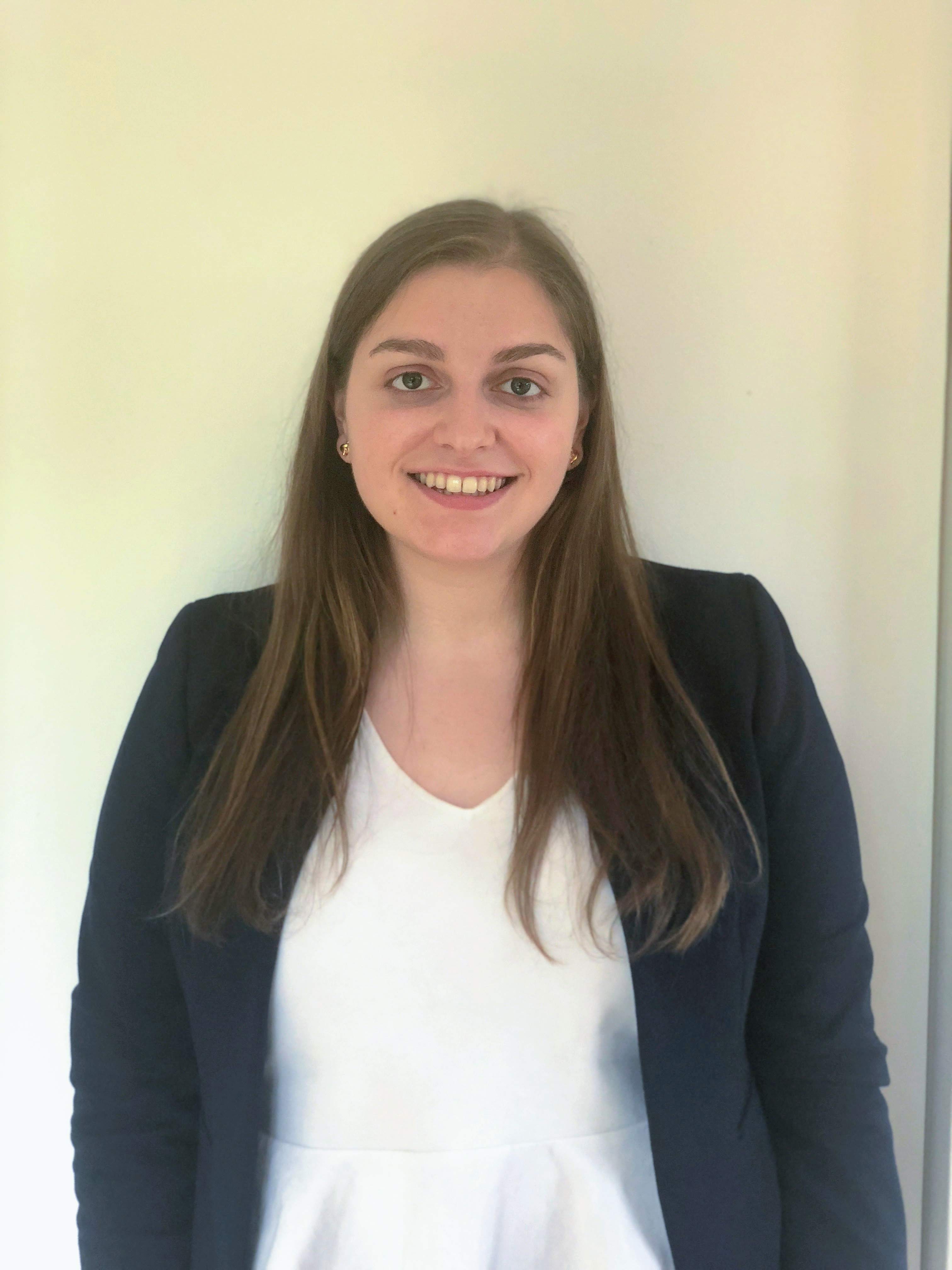 Rachel Rosenberg – Senior at the University of Delaware completing degrees in Spanish Studies and International Relations with a concentration in diplomacy and regional specialization in Latin America
Interests – Elections, Crime, Human Rights, Mexico, South America
Previous Extra Mural Contributors
Brazil Unit
Brian Mier
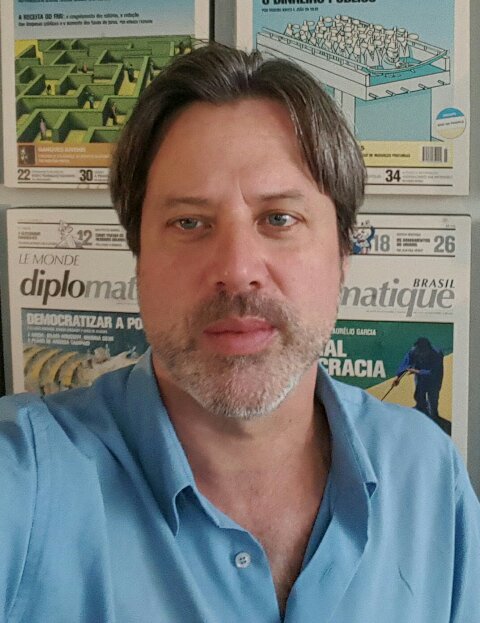 Brian Mier is a geographer, writer and development professional who has worked with ActionAid, Care and Plan. Author of Os Megaeventos Esportivos na Cidade do Rio de Janeiro e o Direito á Cidade, with Karla Moroso and Cristiano Muller (2016. CDES/Fundação Ford: Rio de Janeiro). Has lived in Brazil for 21 years, currently in São Paulo, where he edits Brasil Wire. His interests include political economy, social movements and the resurgence of the Brazilian right.
Jose da Cruz
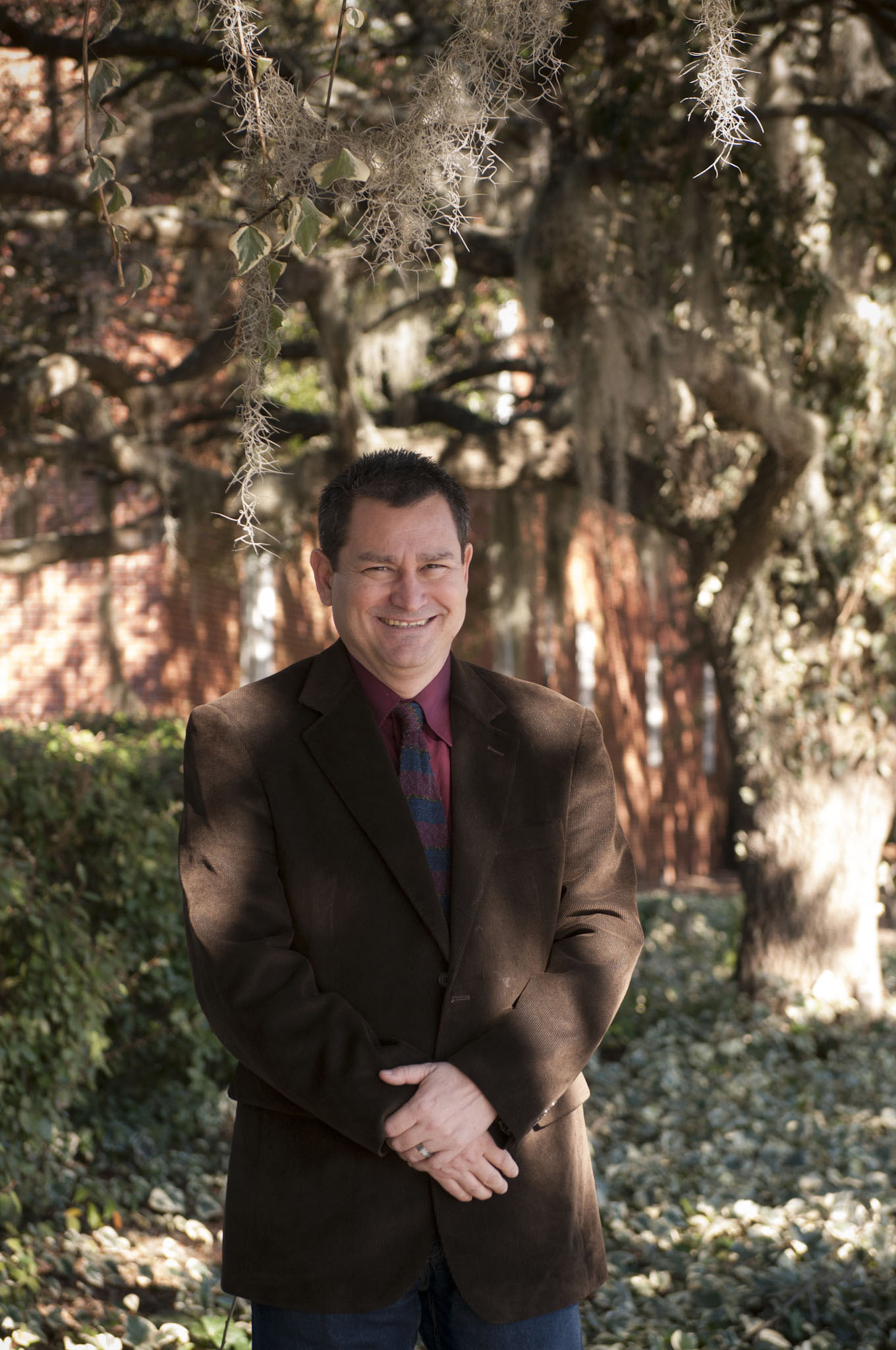 Dr. Jose de Arimateia da Cruz is a Professor of International Relations/Comparative Politics at Armstrong State University, Savannah, GA, where he teaches both undergraduate and graduate courses in Latin American and African Foreign Policy, Third World National Security, Global CyberSecurity, and Insurgency/Counterinsurgency. Dr. da Cruz is also an Adjunct Research Professor at the U.S. Army War College, Carlisle, PA. and Research Associate of the Brazil Research Unit at the Council on Hemispheric Affairs (COHA) in Washington, D.C.. Dr. da Cruz has a visiting teaching appointment at the Center for Latin American Studies (CLAS) at the School of Economics in Prague, Czech Republic. He has served as visiting professor at the University of Stavanger, Norway, and La Serena Universidad in La Serena, Chile. Dr. da Cruz holds a B.A. in Philosophy & Political Science from Wright State University, Dayton, OH; an M.A. in Professional Communications and Leadership from Armstrong State University, Savannah, GA; a M.A. in Political Science/Political Philosophy from Miami University, Oxford, OH; an M.S. in Criminal Justice with an emphasis in cyber affairs and security from Armstrong State University, and he is completing a Master of Public Health (MPH) at Armstrong State University. Dr. da Cruz earned his Ph.D. in Political Science (African & Latin American Politics) from Miami University, Oxford, Ohio.
Igor Drumond
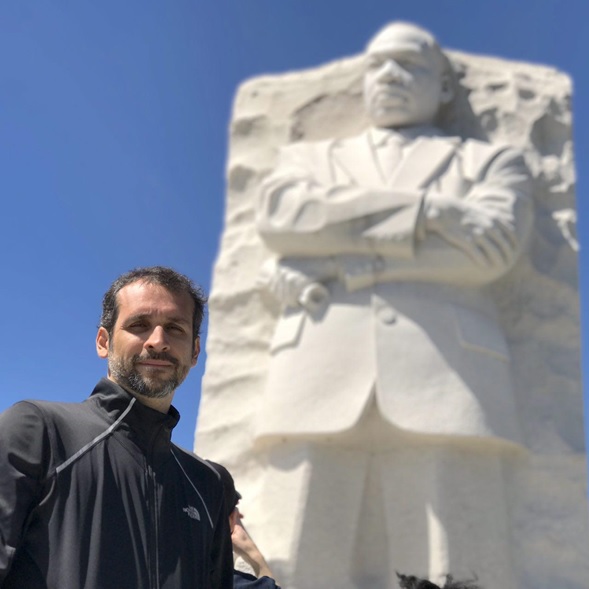 Igor Drumond is a Civil Servant and work in Brasília at Rio de Janeiro State’s Public Defender’s Office before the Superior and Supreme Courts. Has a bachelor degree in Law from Universidade Federal do Rio de Janeiro and has been conducting independent research in Human and Civil Rights, particularly regarding Equality and the Rule of Law’s Coherence and Integrity, with interest in Theory of Law, and is pursuing the opportunity of a Master’s degree on how income inequality between powerful civil servants and unpowered ones affects society. He’s also part of Digital Culture and Democracy academic research group (Cultura Digital e Democracia – CDD) at Centro Universitário de Brasília (UniCEUB) about Democracy, Privacy, Net Neutrality and Internet rights. Igor also writes for his own blog Desarrazoado, on topics of Coherence, Integrity, Equality and the Rule of Law in an accessible way for the general public.
Southern Cone Unit
Nessim Achouche
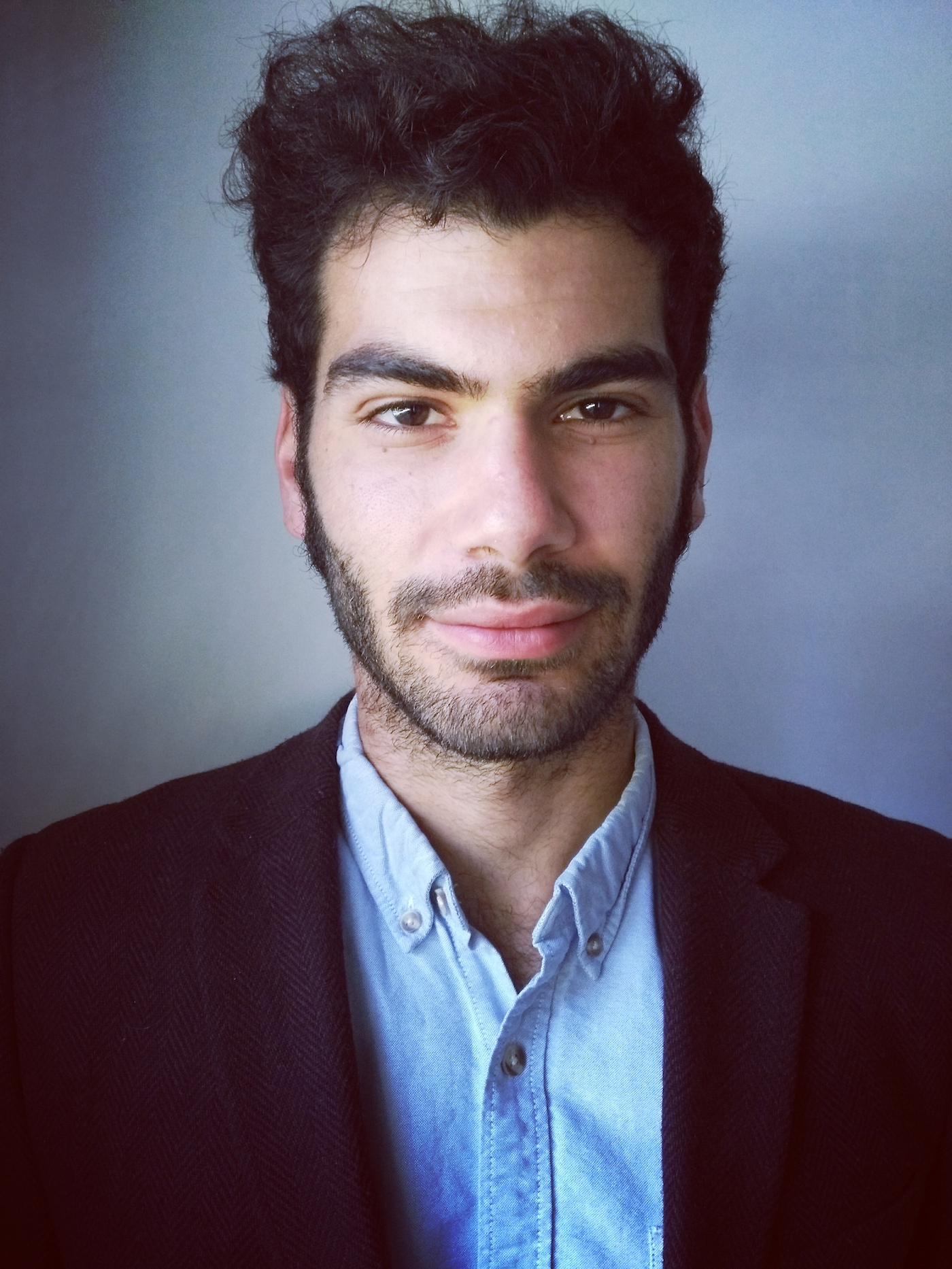 Nessim Achouche is a Political Scientist who holds an MA in Politics and Development in the Global South from Sciences Po Bordeaux with a minor in Latin American politics. He has had experience working in political and social development in the region while interning as well as working for a number of international organizations. He has in the past focused on Indigenous rights interning as an external consultant while at the Organization of American States in Guatemala. Additionally, he has also worked as a research assistant in the Demographic division of the Economic Commission for Latin America helping identify the intersection between migration and indigenous populations across the Americas. Throughout his professional and academic experiences, Nessim has partaken in political development and public policy projects whilst paying particular attention to comparative urban political economy between Latin American and European capitals. In this capacity, he has been accepted in a PhD program at University College of London in 2016. Nessim is fluent in French, Spanish and English and has a basic knowledge of Portuguese.
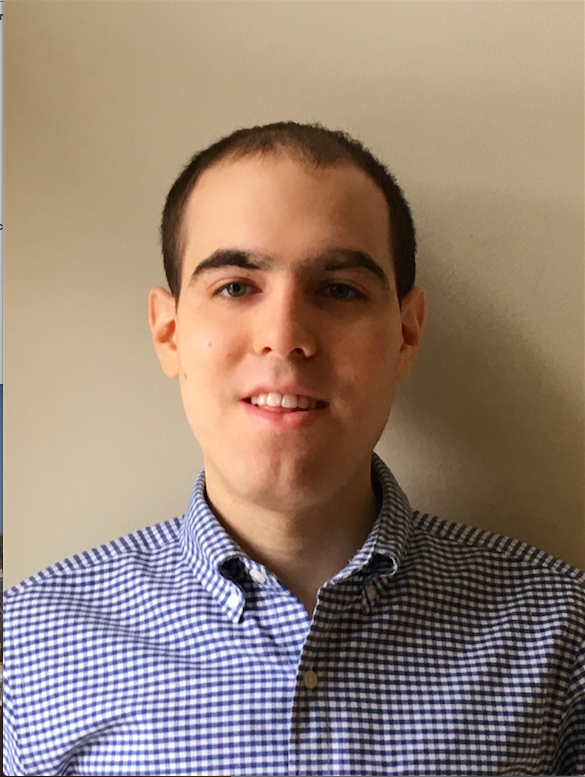 Ben Tannenbaum currently works for an early stage software company in Chicago, Illinois. He recently graduated from Northwestern University where he majored in Political Science and History.
He has a broad interest in international affairs having traveled throughout Latin America to countries including Mexico, Panama, Argentina, and Uruguay. His hobbies include reading, current events, and watching baseball and Big Ten football.